Clean beauty is a trending topic in the beauty industry nowadays. People are trying to switch to non-toxic, sustainable products that are not only good for their skin but also for the environment.
More than 68% of people look for clean beauty brands. This is how huge this revolution has been in recent times. In this guide, we will discuss what clean beauty is, its benefits, ingredients to check for, how to build a natural skincare routine, and clean brands you should invest in.
Key Takeaways
- Clean beauty is all about safe ingredients, sustainability, and transparency.
- Switching to clean skincare helps reduce irritation and support long-term skin barrier health when the products are chosen carefully.
- To build a clean routine, start reading product labels, checking their certifications, and transitioning slowly, one product at a time.
What is Clean Beauty?
Clean beauty refers to those products that are made with the health of people and the planet in mind. These products avoid harmful ingredients and rely on safe and naturally sourced alternatives.

In short, clean beauty adheres to sustainability and transparency. However, one thing worth remembering is that “clean” is not a regulated term by authorities. Any brand can promote itself as clean without adhering to sustainable standards. Therefore, the burden falls on consumers and brand transparency.
- Brands should be honest and transparent, and show which ingredients they use in their products and which ones they avoid.
- Consumers should research ingredients themselves and learn to read labels, rather than trusting a marketing buzzword or the front of the bottle.
Why Non-Toxic Skincare Matters
Non-toxic skincare is necessary because
- It helps the planet by causing less damage to nature.
- It treats people fairly by supporting and protecting workers who make the products.
- It aligns with your lifestyle and personal values, and makes you feel good about using products that fit them.
How Clean Beauty Differs from Conventional Products

- Safe Ingredients
Traditional beauty products usually contain harmful ingredients such as parabens and sulfates. These ingredients can disrupt hormones, result in skin irritation and breakouts, and leave lifelong health issues.
On the contrary, clean beauty products avoid these toxic ingredients and have naturally sourced alternatives that are safer and healthier for your skin.
- Transparency
Conventional beauty brands often use complex jargon or leave out important information, making it harder to understand what you are putting on your skin.
On the contrary, clean beauty products provide full ingredient information lists and often explain the purpose of each component.
- Eco-conciousness
Traditional beauty brands usually contribute to pollution and waste by using synthetic chemicals and excessive plastic.
Clean beauty brands, on the other hand, are eco-conscious and use biodegradable packaging, sustainable ingredients, and ethical sourcing practices.
Ingredients to Avoid in Conventional Skincare
The following ingredients are usually found in conventional skincare products that can lead to health issues.
| Ingredient | Why It’s Used | Why to Avoid | Possible Health / Skin Impacts |
| Parabens | Preservatives that prevent bacterial growth | Can mimic estrogen in the body (endocrine disruption concerns) | Skin irritation in some people, and possible hormonal imbalance concerns |
| Synthetic Fragrance (Parfum) | Adds scent and improves product experience | Often, a mix of undisclosed chemicals, a common allergen | Allergic reactions, headaches, skin sensitivity, redness |
| Sulfates (SLS / SLES) | Create foam and a deep cleansing effect | Can strip natural oils and weaken the skin barrier | Dryness, irritation, worsened eczema, or sensitive skin |
| Phthalates | Help fragrances last longer and improve texture | Linked to potential hormone disruption concerns | Possible reproductive health concerns, skin irritation |
| Formaldehyde & Formaldehyde-Releasing Preservatives | Prevent microbial growth and extend shelf life | Known irritant and classified as a carcinogen in high exposure settings | Allergic dermatitis, eye/skin irritation, respiratory sensitivity |
| Oxybenzone (in some sunscreens) | UV filter that absorbs UV rays | May cause allergic reactions and has hormone-disruption concerns | Skin allergies, environmental concerns (reef damage) |
| Triclosan | Antibacterial agent | Overuse linked to resistance concerns and possible hormone effects | Skin irritation, potential impact on thyroid function |
| Denatured Alcohol (High Concentration) | Helps the product absorb quickly and feel lightweight | Can damage the skin barrier when used frequently | Dryness, increased sensitivity, and premature aging signs |
Ingredients Commonly Found in Clean Skincare Products
As we mentioned before, clean beauty aims to avoid toxic chemicals or synthetics. Instead, it favors plant-based, non-toxic extracts, oils, and minerals. The common ingredients include
- Hyaluronic acid
- Bakuchiol
- Algae extract
- Aloe vera
- Sqaulene
- Jojoba oil
- Castor oil
- Gylcerin
- Fruit extracts
- Essential oils
- Iron oxides

The Importance of Eco-friendly Packaging
Clean beauty brands ensure that packaging is also sustainable, so the planet does not suffer when the product is disposed of. Every year, the beauty industry produces huge amounts of plastic waste, much of which ends up in the oceans.
A brand that claims to be clean but uses and wastes excessive plastic and fails to recycle its packaging is not truly “clean.” As a conscious consumer, it becomes your responsibility to look for such brands that take responsibility for their footprint. For instance, they use glass, aluminum, or post-consumer plastics as packaging.

Another trend people are loving is refillable systems. You can simply replace the inner pod while reusing the same glass jar. This not only saves you money but also reduces waste.
Apart from materials used in packaging, clean beauty is also about the ethical supply chain. Is the brand harvesting ingredients that are safe for biodiversity? Are all the workers paid fairly? You might think that these questions do not concern you. However, a conscious lifestyle demands a better world for everyone. Who knew beauty could be a force of good like this?
Benefits of Using Clean Skincare Products
- Better for Skin: Clean beauty provides chemical and fragrance-free skincare that reduces the risk of irritation, allergies, or long-term damage. Moreover, ingredients like aloe vera, jojoba oil, and hyaluronic acid are great for sensitive skin.
- Great for Health: Using clean products means you are no longer putting harmful ingredients into your body that can cause health problems.
- Safe for the Environment: Clean brands use sustainable packaging and ethically sourced ingredients, contributing to planet protection.
- Cruelty-free Practices: Cruelty-free beauty brands do not test on animals and prioritize ethical practices, thus aligning with the values of conscious consumers.
Clean Beauty vs Natural vs Organic Skincare
While the terms clean, natural, and organic are used interchangeably in the beauty industry, there are some subtle differences that you should know.
| Factor | Clean Beauty | Natural Skincare | Organic Skincare |
| Main Focus | Ingredient safety and non-toxicity | Ingredients derived from nature | Ingredients grown using organic farming methods |
| Ingredient Source | Can be natural or synthetic (if proven safe) | Mostly plant-based or naturally derived | Natural ingredients grown without synthetic pesticides or fertilizers |
| Use of Synthetic Ingredients | Allowed if considered safe and non-irritating | Usually limited but not always avoided | Generally restricted depending on certification standards |
| Regulation / Certification | No universal legal definition | No strict global regulation | Often regulated by certification bodies (varies by region) |
| Preservatives | Uses safer preservatives to ensure shelf life | May use natural or mild synthetic preservatives | Limited approved preservatives allowed |
| Effectiveness & Stability | Often formulated for a performance + safety balance | May vary depending on formulation | Can be effective, but sometimes has a shorter shelf life |
| Best For | Sensitive skin, ingredient-conscious users | People who prefer plant-based routines | Users focused on sustainability and farming ethics |
How to Build a Natural Skincare Routine (Clean Beauty Based)
Your skincare routine depends entirely on your skin type. The general steps, however, are similar. But before we build a routine, let’s see what natural ingredients are suitable for your skin.
- Oily Skin: Use non-comedogenic oils that resemble your natural skin oils, such as ho leaf, jojoba, and rosehip.
- Dry Skin: To hydrate dry skin, use shea butter. Its vitamins and fatty acids help deeply nourish and soften the skin.
- Combination Skin: For combination skin, use products that contain aloe vera gel, essential oils like castor or blueberry seed oil, and vitamin E.
- Sensitive Skin: Clean skincare for sensitive skin includes shea butter, aloe vera, witch hazel, green tea, and chlorella. These have calming properties and protect sensitive skin.
Now that you know the best ingredients for your skin type, let’s create a skincare routine.
- Cleansing
Cleansing is the starting step in a skincare routine to remove dirt, sebum, and oil from your face. Use a cleanser with natural ingredients that does not deplete your face’s natural oils and leave your face tight and dry. Look for ingredients like aloe vera, rosehip, and thistle. Avoid fragrant products.

- Toning
Toning balances your skin’s pH, controls excess sebum, and revitalizes your skin. It also tightens your skin and helps it absorb nutrients from moisturizer. Some natural toners you can use are lavender, rosemary, and rose water.
- Hydrating
This is an optional step; however, it is great for extra hydration. You can use a hydrating serum with a water-based formula because it has a lighter consistency than a moisturizer. Use a serum that contains ingredients like chia seeds, rose hip oil, vitamin E, and thistle oil. They increase skin elasticity and reduce wrinkles and fine lines.

- Moisturizing
Use a natural moisturizer to seal in moisture and wrap up your evening routine. Moisturizers are thicker than serums and treat dry, flaky, and irritated skin. The best ingredients for moisturizing your skin include olive oil, vitamin E, castor oil, and beeswax.
- SPF (Morning Only)
Sunscreen should only be applied during the day. Ditch synthetic SPFs and use natural ones with titanium dioxide or zinc oxide for broad-spectrum protection.
Note: The natural ingredients listed above are referenced as formulated ingredients in clean beauty products, not as standalone DIY treatments. Applying them directly (using olive oil or rosehip oil straight from the bottle) can clog pores, disrupt your skin barrier, or cause reactions depending on your skin type. Always opt for clean skincare products that contain these ingredients in tested, safe concentrations. If you’d like to use any of these in their raw form, consult a dermatologist first.
How to Identify Truly Non-Toxic Beauty Products
Selecting the right beauty product can be overwhelming, particularly if you do not know how to identify a non-toxic brand.
- Read Labels: Research harmful ingredients and avoid those if you see them on labels.
- Check Certifications: Look for certifications that show that the brand is actually “clean.”
- Research Transparency: Look for brands that openly discuss how they source ingredients, manufacturing process, and their environmental practices.
- Look for Sustainable Packaging: Choose products with glass containers, minimal packaging, or post-consumer recycled materials.

Certifications to Look for
Many brands greenwash their products, claiming that they are clean and natural. The fact is that neither “clean” nor “natural” is recognized by authorities. The term “organic” is recognized and permitted for products that are truly organic.

To avoid falling into a greenwashing trap, look for these certificates when shopping.
- Leaping Bunny: This certificate verifies that the product was manufactured without animal testing at any stage.
- Fair Trade Certified: It ensures that all ingredients are Fair Trade Certified and that the brand complies with labor laws.
- Beauty with Bunnies: It shows that products are cruelty-free and contain no animal-derived ingredients.
- Made Safe: This seal, issued by scientists, indicates that none of the ingredients or their byproducts are toxic.
- Rainforest Alliance: This certificate verifies that a brand grows and sources ingredients without harming biodiversity, wildlife, or the local ecosystem in any way.
- USDA Certified Organic: It indicates that ingredients used in products are harvested without preservatives or pesticides and are non-GMO (non-genetically modified organisms).
- EWG Certified: EWG-verified skincare and makeup products are vetted by scientists against the three main standards for consumer health: no hidden toxins, total honesty, and safe making.
Clean Makeup vs Clean Skincare
Apart from clean skincare, many brands also offer clean makeup products.
| Factor | Clean Skincare | Clean Makeup |
| Primary Goal | Improve skin health and barrier function | Provide cosmetic coverage while minimizing harmful ingredients |
| Skin Contact Time | Usually stays on skin longer (serums, moisturizers) | Often worn for several hours and then removed |
| Ingredient Priority | Hydrating, repairing, soothing ingredients | Pigments, texture enhancers, and safe preservatives |
| Formulation Challenge | Stability and potency of active ingredients | Achieving color payoff, long wear, and smooth texture without harsh chemicals |
| Typical Products | Cleansers, serums, toners, moisturizers, sunscreens | Foundations, mascaras, lipsticks, blushes |
| Who Should Prioritize First | People with acne, sensitivity, and barrier damage | Makeup users who want safer daily cosmetic options |
| Routine Importance | Forms the base of healthy skin | Works well when combined with a good skincare routine |
Best Clean Beauty Brands You Should Look Into
The following brands are widely recognized in the beauty industry for following clean formulation principles, such as avoiding harmful ingredients, improving ingredient transparency, and focusing on skin-friendly formulas.
Clean Makeup Specialists
These brands offer cosmetics with clean formulation standards.
- Westman Atelier
- Merit Beauty
- Jones Road Beauty
- Rituel de Fille

Clean Skincare Specialists
The main focus of these brands is treatment products, such as serums, moisturizers, and cleansers.
- OSEA Malibu
- Youth to the People
- Indie Lee
- REN Clean Skincare
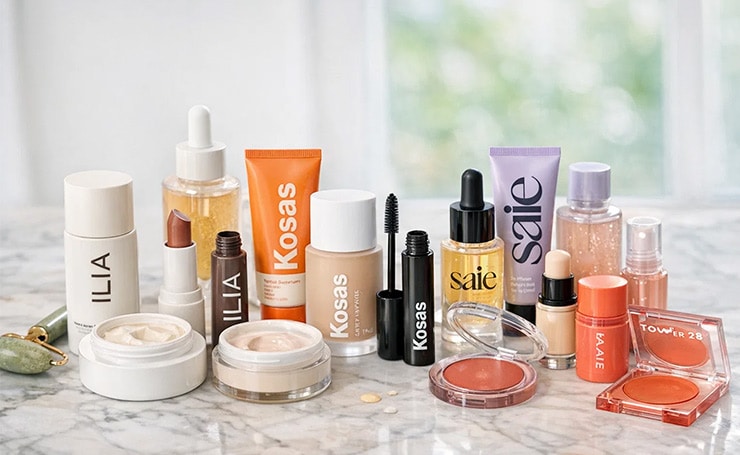
Makeup–Skincare Hybrid Brands
These brands offer both cosmetics and skincare products.
- ILIA Beauty
- Kosas
- Saie Beauty
- Tower 28 Beauty
Luxury Clean Beauty Brands
These are premium clean brands known for their artisanal formulations and high-end positioning.
- Tata Harper Skincare
- True Botanicals
- Kjaer Weis
- May Lindstrom Skin
Affordable Clean Beauty Brands
These are budget-friendly options with transparent ingredient philosophies.
- Acure
- Versed
- Cocokind
- Well People
Common Myths About Clean Beauty
Let’s debunk some myths surrounding clean beauty.
- Clean Beauty is Always Natural
Clean beauty does not mean that is it 100% natural. It means using ingredients that are safe for consumers. Synthetic ingredients can also be used in clean products, as long as they are non-toxic and beneficial.
- Clean Beauty is Expensive
While there are some premium clean beauty brands, there are plenty of affordable options as well. Moreover, it is important to invest in your skin and overall health to gain long-term benefits.
- Clean Beauty does not give Good Results
If you think that clean beauty products are not as effective as conventional products, you are wrong. With so many advancements in clean beauty formulations, these products deliver excellent results.

How to Switch to Clean Beauty?
- Start Small: You do not have to switch your entire beauty routine. Replace one product at a time, particularly those you use every day, like a cleanser or a moisturizer.
- Start Reading Labels: Understand the ingredients and look for certifications to ensure that you are investing in credible brands.
- Do Your Homework: There are many apps and websites that show you product databases. You can use EWG Skin Deep or Think Dirty for research.
- Support Clean Brands: Start opting for companies that clearly explain their ingredients and the practices they use to harvest and source them.

Who Should Switch to Clean Beauty?
The following people should switch to clean beauty.
- People with sensitive or reactive skin: Clean products usually do not contain fragrances or harsh ingredients and do not cause allergic reactions.
- Individuals with acne-prone skin: Many clean beauty products use non-comedogenic ingredients that do not worsen acne and inflammation.
- Health-conscious individuals: People who want to avoid putting toxins on their bodies and are conscious about their hormonal and overall health should use clean products.
- Pregnant women: Using clean products minimizes exposure to toxins that affect reproductive and infant health.
- Environmental advocates: People who want to use sustainable, cruelty-free, and ethically sourced options.
Tips for Transitioning to Clean Beauty
- Do not be overwhelmed. Take it slow. When you run out of conventional products you are already using, replace it with something better.
- Find brands that you like and stick with them. Let your skin get used to new non-chemical products. You might see a few breakouts and changes, but don’t fret, it’s going to be okay.
- If one brand does not work for you, try another one. There are more and more clean beauty brands that offer value and deliver excellent results.
- Install an app on your phone that helps you decode labels at chemists’ or retail stores.
Your Role in the Clean Beauty Movement
As a consumer, your choices shape industry trends. Therefore, it is a responsibility to invest in brands that are beneficial for us and our planet.
- Support local clean beauty brands.
- Recycle product packaging responsibly.
- Opt for multi-use products to avoid waste.
- Advocate for transparency by asking companies tough questions.

Potential Limitations of Clean Beauty
There are some limitations when it comes to the clean beauty movement.
- Many brands greenwash their image, appearing more eco-friendly than they truly are.
- Many sustainable and ethical brands are on the expensive side.
- There is no universal regulation regarding clean products, making it challenging for people to identify truly clean products.
The Future of Clean Beauty
The clean beauty industry is rapidly becoming more inclusive, innovative, and accessible. With more advancements in green chemistry and increasing consumer demand, the next evolution might include
- Biodegradable formulations becoming the standard
- More availability of refill stations in retail stores
- More strict regulations to control greenwashing
The Bottom Line
Clean beauty is not just a mere trend; it is a responsible approach towards self-care. By prioritizing clean products, you are embracing mindfulness toward choosing your health as well as protecting the planet.
So, the next time you choose a skincare or makeup product, ask yourself whether it is clean to make sure that you do not achieve beauty at the expense of your health and the Earth.
Learn more about skincare and other beauty-related information on Trendy Fashion Guide.
FAQs
Is Clean Beauty Safe for Acne-Prone Skin?
Yes, many clean beauty products use non-comedogenic oils and skin barrier-supporting ingredients. These help in reducing irritation and clogged pores. However, the results depend on the consumer’s skin triggers and the quality of the product.
Do Clean Beauty Products Expire Faster than Conventional Products?
Some clean products have shorter shelf lives than conventional products. The reason is preservatives. Conventional products use these, while some clean products contain mild preservatives, and some natural products simply skip them. Always check the PAO (Period After Opening) symbol and store products away from sunlight and heat.
Can Clean Beauty Routines Reduce Environmental Impact?
Yes, opting for clean brands with recyclable packaging, refill systems, and responsible sourcing can help reduce personal beauty waste and support more sustainable industry practices.