Are you interested in skincare but don’t know what products to use? Or are you already using skincare products but not seeing any results? The reason is not knowing what ingredients suit your skin type, because every ingredient has its own properties.
In this guide, we’ll break down the most important skincare ingredients, which actives suit your skin type, how to read product labels, ingredients to avoid, building a proper skincare routine, and common skincare ingredient myths.
30-Second Summary
- Skincare ingredients matter more than products. To achieve good results, you should understand what is in your products.
- Choose actives based on your skin type and concerns, not trends or hype.
- Consistency, even with a simple skincare routine, gives excellent results.
- Not all ingredients suit everyone, so always introduce new products gradually to let your skin adapt.
Understanding Your Skin’s Needs
Your skin’s first job is acting as a barrier between you and pollution, bacteria, and UV rays you experience every day. But this protection is as sturdy as your skin’s resilience.
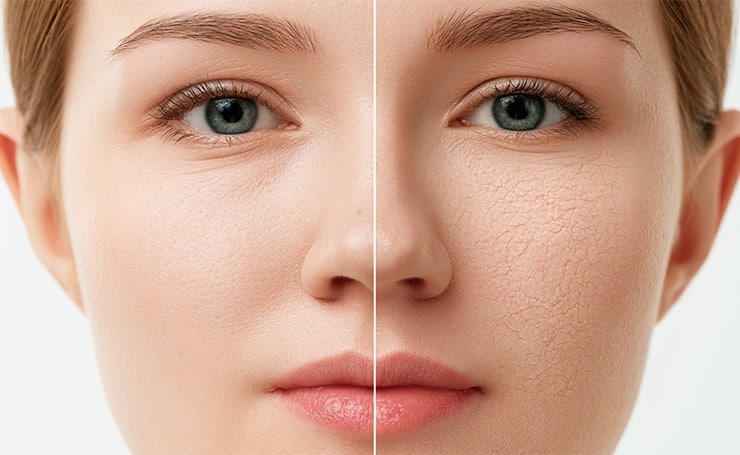
Your skin needs three basic things: protection, hydration, and repair. Well-hydrated skin easily heals itself from minor injuries. Dry or damaged skin with small cracks enables bacteria to sneak in, causing breakouts, irritation, redness, and sensitivity.
When your skin is exposed to pollution, UV rays, and even stress, it generates free radicals that damage collagen, resulting in wrinkles and fine lines.
Moreover, your natural oils also help your skin stay flexible and firm by locking in moisture. When you use harsh products or neglect your skin, these oils get stripped away, and your skin suffers.
Appropriate skincare actives support your skin’s natural systems and make it healthy, firm, and strong. So, let’s see what ingredients your skin craves.
Most Effective Active Ingredients in Skincare
Every other day, you see people recommending different formulations for your skin. It gets overwhelming, particularly if you are new to skincare. We have compiled the best skincare ingredients for your skin.
Hyaluronic Acid
Hyaluronic acid is an excellent moisturizer that keeps your skin smooth and supple. It works by binding up to 1000 times its weight in water. It works deeper into the skin, hydrating it from the inside.
However, not all products with hyaluronic acid are the same. Some only work on the surface level, while others penetrate deep into the skin.
You need to layer hyaluronic acid properly. Apply it to slightly wet skin and lock it in with a moisturizer. You can also use a moisturizer with hyaluronic acid instead of using it separately. It will help prevent the “reverse effect,” where hyaluronic acid can accidentally pull moisture from your skin if you don’t use it properly.
Retinol
Retinol is hailed as one of the best anti-aging ingredients. It is a vitamin A derivative that speeds up your skin cell turnover, meaning damaged cells fade and new, healthy cells rise to the surface.
Retinol helps smooth fine lines, reduces hyperpigmentation, improves texture, and prevents acne. But introduce it slowly. Do not start using it at a stronger formula. Start with a lower concentration and use a stronger formula as your skin adjusts. It may cause purging, irritation, or dry skin, so make sure to consult a dermatologist.
Moreover, retinol makes your skin sensitive to sunlight. Therefore, using SPF is important, as is hydration.
Niacinamide
Niacinamide is rather an underrated ingredient. This is a form of vitamin B3 that heals your skin barrier, reduces inflammation, and even regulates oil production. The best part is that it does not cause any irritation or redness.
If your skin feels sensitive, inflamed, or easily reactive, you need to use it. It holds onto moisture and calms it. The right formula is 4% to 10% for the best results. It also goes well with retinol, vitamin C, peptides, and hyaluronic acid, making it excellent to be used in your skincare routine.
Vitamin C
Vitamin C is one of the best ingredients for brighter and healthier skin. It protects against free radicals that break down collagen and speed up aging.
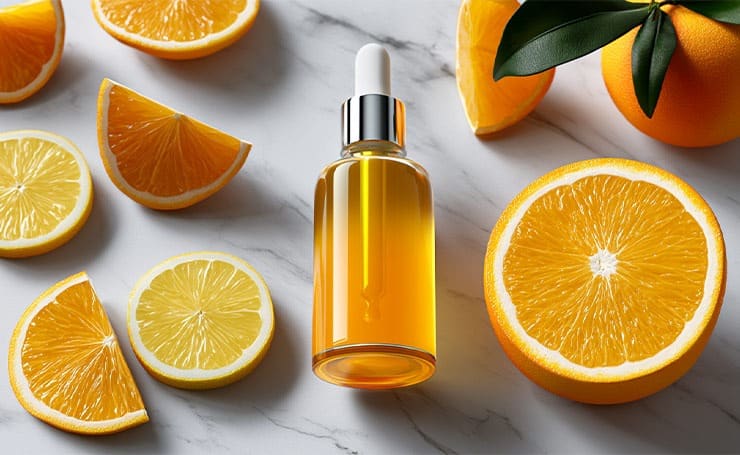
The right products contain 10% to 20% L-ascorbic acid. Look for those stabilized with antioxidants like ferulic acid. These products will give you maximum brightness and healthy skin without causing any irritation.
Some skin concerns that vitamin C serum deals with are sun spots, fine lines, and dullness. Moreover, it is recommended to use it with your sunscreen in the morning. It shields your skin from pollution and other environmental stressors while boosting its glow.
Salicylic Acid
Salicylic acid is a BHA. It is known for treating acne, clogged pores, blackheads, and whiteheads. It loosens and breaks the “glue” that holds skin cells together, promoting skin cell turnover. It goes deep into the pores and exfoliates the skin.
However, its dosage matters. The formulas range from 0.5% to 7% in over-the-counter products. The right concentration depends on your skin type and your concerns. For that, we recommend visiting a dermatologist.
You might notice dryness, irritation, or redness when using it. Introduce it gradually, ideally 2 to 3 times a week. You can increase the frequency of use as the skin adapts. However, if you notice any peeling or skin deterioration, stop using it immediately.
Peptides
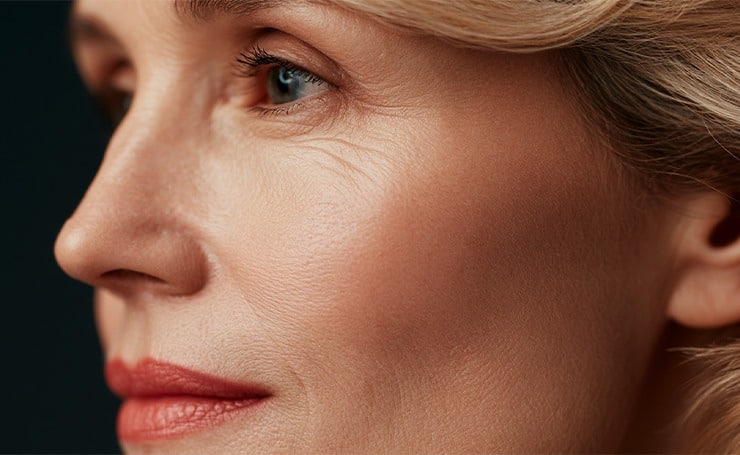
Although peptides are not as famous as vitamin C or retinol, they deserve to be a part of your skincare routine. These are short chains of amino acids that signal to the skin to produce more elastin, collagen, and other building blocks.
If your skin feels less firm or thinner, you need to use peptides to make it firmer and more resilient. Peptides also do not cause irritation that you might get from other actives.
Peptides work great with hyaluronic acid and niacinamide. You can also use them in both morning and evening skincare routines for full-day skin repair.
AHAs vs BHAs
AHAs and BHAs are two different exfoliants. For a skincare beginner, it is important to distinguish between them to choose the one that suits their skin.
| Feature | AHAs (Alpha Hydroxy Acids) | BHAs (Beta Hydroxy Acids) |
| Solubility | Water-soluble | Oil-soluble |
| How They Work | Exfoliate the skin’s surface | Penetrate deep into pores and exfoliate inside |
| Best For | Dry, dull, uneven skin | Oily, acne-prone, congested skin |
| Skin Concerns Targeted | Texture, fine lines, pigmentation, dullness | Acne, blackheads, whiteheads, excess oil |
| Common Types | Glycolic acid, lactic acid, mandelic acid | Salicylic acid |
| Depth of Action | Surface-level exfoliation | Deep pore exfoliation |
| Effect on Skin | Smooths and brightens skin | Clears pores and reduces breakouts |
| Hydration Impact | Can improve moisture retention (especially lactic acid) | Can be slightly drying |
| Sensitivity Risk | Higher risk of irritation (especially glycolic acid) | Generally gentler but still can dry skin |
| Sun Sensitivity | Increases sun sensitivity (SPF required) | Also increases sun sensitivity (SPF required) |
| Ideal Skin Types | Dry, normal, sun-damaged | Oily, combination, acne-prone |
| Usage Frequency | 2–3 times per week (or as tolerated) | 2–4 times per week (depending on skin) |
| Beginner Friendly? | Start with milder AHAs like lactic acid | Yes, especially salicylic acid in low % |
| Layering Tips | Avoid combining with strong actives (like retinol) initially | Can be combined carefully with niacinamide |
| Pregnancy Safe? | Some AHAs (like glycolic/lactic) are generally considered safer in lower concentrations | Salicylic acid in high doses is usually avoided |
Best Skincare Ingredients for Your Skin Type
Remember, skincare is never one-size-fits-all. It depends entirely on your skin type and how it reacts when you use a certain product on it.
Oily and Acne-Prone Skin
Oily skin needs balance instead of stripping it of its natural oils. This type of skin is usually more prone to acne, clogged pores, whiteheads, and blackheads. Oily skin benefits from non-comedogenic products. Use niacinamide, salicylic acid, and lightweight hydrators to prevent breakouts, get rid of congested skin, and keep the skin barrier intact.

Also, do not think that if you have oily skin, you do not need a moisturizer. Over-drying oily skin can make it produce even more oil. So, use a good moisturizer to support hydration.
Dry Skin
For dry skin, hydration and barrier protection are most important. This skin type tends to feel tight and uncomfortable if you use harsh exfoliants or alcohol-based products.
The right ingredients you need include ceramides, hyaluronic acid, and squalene. These prevent water loss and deeply hydrate the skin.
Sensitive Skin

Sensitive skin needs ingredients that do not damage its barrier. It is the skin type that reacts quickly and tends to get irritated and inflamed easily. Calming formulations like niacinamide, gentle peptides, and hyaluronic acid are great for sensitive skin.
Moreover, choose products that are fragrance-free and use minimal-ingredient formulas to prevent unnecessary flare-ups and irritation.
Combination Skin
The best ingredients for combination skin are those that control oil in the T-zone and hydrate dry cheeks. Top choices include niacinamide, salicylic acid, hyaluronic acid, and ceramides.
Use lightweight and non-comedogenic products. Water-based or gel-based moisturizers are great for maintaining skin’s balance.
Aging Skin

For aging or mature skin, balancing strengthening and stimulating ingredients is key. Retinol, vitamin C, and peptides make skin firm and smooth. Moreover, you need deep hydrating agents that rejuvenate skin, making it look vibrant and youthful.
How to Read Skincare Labels
Reading skincare labels can feel difficult. This is why most people do not read the ingredients and choose products with words like “glow,” “oil control,” or “acne control.”
Whether you are a beginner or a skincare enthusiast, you need to know what products you are choosing to avoid damaging your skin.
Start with the INCI List
INCI (full form: International Nomenclature of Cosmetic Ingredients) is the global standard for labeling skincare ingredients on the package. These are in descending order, meaning the higher an ingredient is on the list, the more of that ingredient is in the product.
Know the Active Ingredients
These ingredients are usually the most important ones, brightening, hydrating, or treating acne. Some common active ingredients include
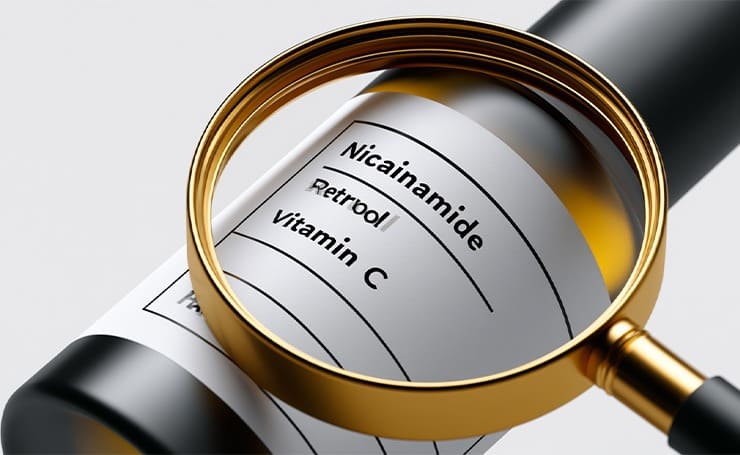
- Retinol/ Retinoid
- Glycolic and Lactic Acid
- Niacinamide
- Vitamin C
- Salicylic Acid
Keep in mind that even when some products contain these, they are in lower concentrations. You should know what ingredient percentage suits your skin goals.
Understand Ingredient Groups
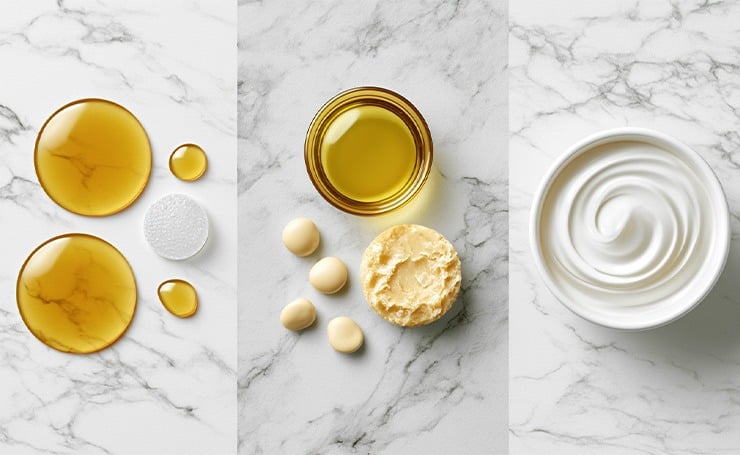
Humectants: These hydrate your skin by drawing moisture into it. Ingredients include glycerin, panthenol, and hyaluronic acid.
Emollients: These soften the skin. Components include jojoba oil, squalene, and shea butter.
Occlusives: These are used to seal in moisture. Key ingredients include dimethicone, lanolin, and petrolatum.
Ingredients to Avoid
Some product ingredients are better to avoid. If you see the following words on the label, it is better not to buy that product.
- Parfum (Fragrance): It can irritate skin.
- Essential oils: These are natural but often irritating.
- Alcohol Denat: These can be extremely drying in high amounts.
- Comedogenic Oils: An example is coconut oil, which can clog pores.
- SLS (Sulfates): These can be stripping, particularly for dry skin.
Decoding Marketing Buzzwords
Some skincare brands love to use buzzwords. As a consumer, it is your responsibility to research and choose only the right ones.
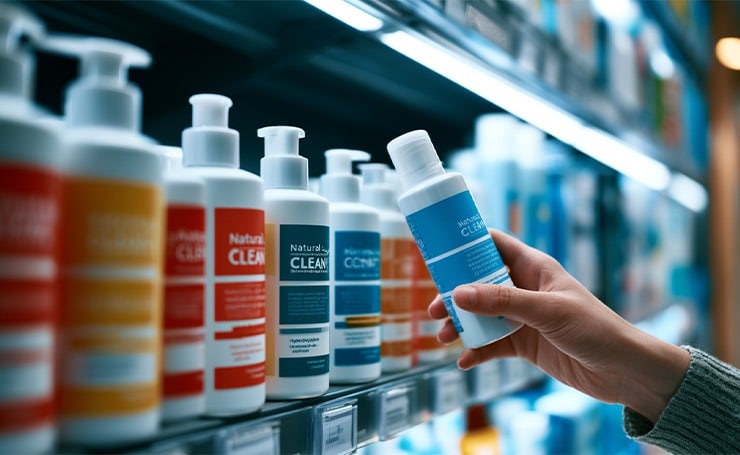
- “Dermatologist-tested” does not mean it is approved by dermatologists.
- The term non-comedogenic does not have an official regulation backing it.
- Natural or clean are vague and unregulated terms.
- Hypoallergenic does not guarantee you won’t react.
Shelf Life at Packaging Matters
Look for the PAO symbol on the package. It is usually a small jar with a specific number written on it, such as 12M. It means that the product can be used for 12 months after opening.
Some actives like retinol or vitamin C break down if they are not in opaque packaging and might need airless pumps to reduce oxidation. If your serum has changed colors or smells weird, it is probably expired.
Ingredients to Avoid in Skincare
Not every ingredient is suitable for your skincare routine. Some ingredients marketed as natural or essential do more harm than good. Knowing what to avoid prevents damage to your skin.
Overloaded Ingredient Lists
If you see products with long lists of trendy skincare ingredient words, you should not buy them. Such products just rely on the hype of a few buzzwords rather than real results. Products with fewer and high-quality ingredients are better for your skin.
Harsh Alcohols
You do not need to avoid all alcohol types, only the ones that are harsh on your skin, such as denatured alcohol and isopropyl alcohol. These can strip your skin’s natural barrier, leaving it dehydrated, inflamed, and aged.
“Natural” Additives
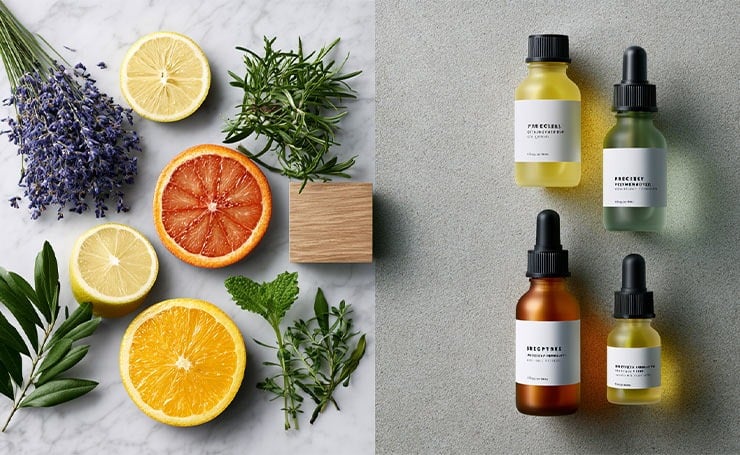
Just because an ingredient is natural doesn’t mean that it is any better. You may have seen essential oils, like lavender and citrus, becoming overhyped in the beauty industry. However, these oils can react with sensitive skin and worsen your acne, rosacea, and other skin conditions.
Fragrance
Your products might smell good, but fragrance is one of the reasons that cause irritation and allergic reactions. Even natural fragrance can react with the skin, especially if it is sensitive or reactive. Fragrance can lead to dryness, redness, and long-term barrier damage.
What Your Skincare Can and Can’t Do: What to Expect
Skincare is not magic. If you are starting a skincare routine, thinking that it will fix your concerns overnight, you are wrong. While the right ingredients can significantly make your skin better, healthier, and firmer, you cannot expect them to get rid of every fine line in an instant. Consistent use and realistic expectations are the key.
Most active ingredients deliver results slowly. It can take around 4-12 weeks before you finally start noticing results. You just need to stick to a routine, even if the progress feels slow.
It is also important to understand when skincare alone is not enough. Advanced skin damage, deep wrinkles, and significant volume loss need professional treatments, such as laser resurfacing, microneedling, and injectables.
The best approach is to work with your skin rather than against it. A tailored skincare routine with suitable professional treatments gives you long-lasting results.
Common Skincare Ingredient Myths
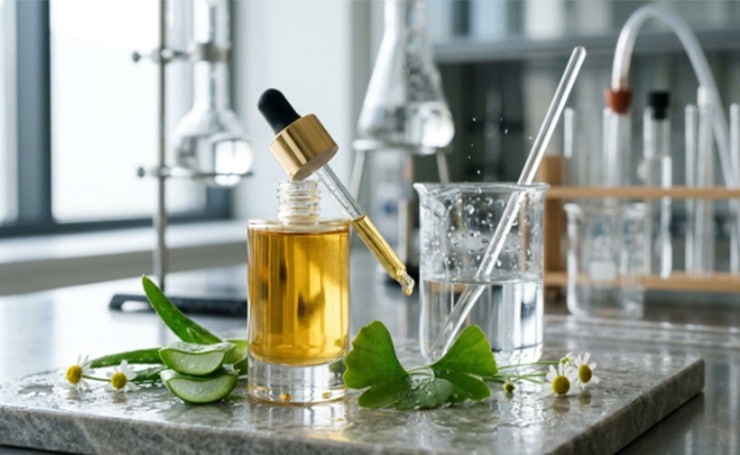
- Natural is always safer/better: Natural ingredients can cause severe allergic reactions, photosensitivity, and irritation. On the other hand, many synthetic ingredients are safer and more effective.
- Retinol thins the skin: Retinol exfoliates the top layer of skin, which creates a temporary perception of thinning. But it actually speeds up collagen production and increases skin thickness over time.
- Chemical-free is real: Every product is made of chemicals, including natural water and plant extracts. “Chemical” does not mean toxic.
- Preservative-free is best: Preservative-free products can grow bacteria quickly, particularly in bathroom environments, which makes them unsafe to use.
- Higher concentration means better results: High percentages of active ingredients like vitamin C can cause irritation and inflammation without improving results.
- Oils always cause acne: Not all oils clog pores. Some are non-comedogenic and beneficial for the skin.
- Hypoallergenic means no reaction: The term “hypoallergenic” is not strictly regulated. It also does not guarantee that a product will not trigger a reaction.
Wrapping Up
Knowing important skincare ingredients that are really beneficial for you can be a game-changer. You can build an effective skincare routine using the components that your skin craves.
Start learning about the ingredients, how much concentration your skin needs, and how to use them, particularly in combination with other skincare components, to achieve the results you’ve always wanted.
For more skincare advice, visit Trendy Fashion Guide.
FAQs
How do I Choose Skincare Ingredients for My Specific Skin Concern?
Start by focusing on one concern at a time. For instance, use salicylic acid for acne, hyaluronic acid for hydration, and retinol for aging, instead of mixing too many actives.
Can I Use Multiple Active Ingredients in My Skincare Routine?
You can use different actives in your skincare routine, but there’s a catch. When you use too many actives at the same time, you end up with dry and damaged skin. The best way is to either use actives on alternate days or at different times. If you use salicylic acid in the morning, use retinol at night. Start small, patch test, and gradually increase usage frequency.
What Skincare Ingredients Should I Not Mix?
Avoid mixing retinols with AHAs/ BHAs, benzoyl peroxide with vitamin C, and multiple exfoliating acids together to avoid irritation.
How can I tell if a Skincare Ingredient does not suit me?
When you use a skincare ingredient that does not suit you, you will notice signs like irritation, itching, burning, redness, peeling, or breakouts. It is best to stop using that product completely and consult a dermatologist.