In recent times, vintage clothing is gaining popularity among modern fashion enthusiasts. Vintage fashion is considered timeless and elegant. This is why you see modern takes on it in the world of fashion.
The fashion of the 70s and the 90s is making a comeback in 2025 due to comfort, self-expression and sustainability. The nostalgia of these decades is making retro fashion popular among Gen Z and Millennials.
But what is vintage fashion and how can you incorporate it into your wardrobe? This guide has all the answers. Read on to find out what vintage style is and how you can become a vintage style icon using this blog.
30-Second Summary
Do you think of a costume when you hear the word “vintage clothing?” Modern vintage fashion is not a costume at all. On the contrary, you can create a modern, everyday look with different vintage garments and accessories.
If you are wondering how, this guide is for you. We explore every aspect of vintage fashion in detail. You will learn about different eras, outfit ideas, red flags to look out for while shopping and much more in this blog.
Understanding Terminology
Before exploring further, let’s see what each term means.
What is Vintage
Any piece of clothing is considered vintage if it is at least 20 years old. These garments represent the trends of that particular era and encapsulate authenticity and nostalgia.
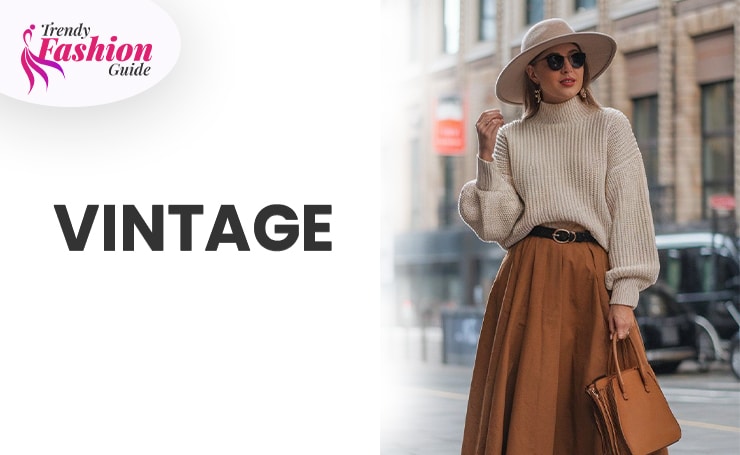
From the flapper dresses of the 1920s to the minimalist style of the 1990s, all these fashion trends show the importance of each decade.
Retro
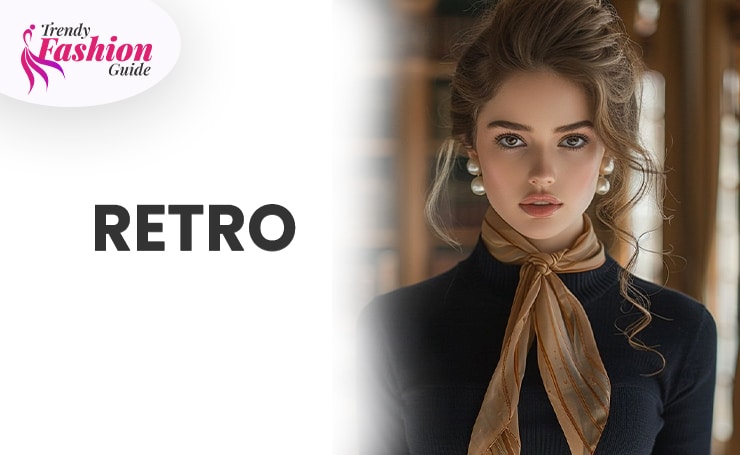
The retro style basically imitates the clothing trends of past decades. These clothes are manufactured in the recent era and have a modern twist to the vintage charm.
Retro clothes provide a vintage aesthetic to your everyday looks. The best part is that you do not have to hunt for thrift stores to curate your vintage wardrobe.
Antique
Antique clothing is the pieces that are at least 100 years old. These pieces are considered collectible due to their historical significance.
You can find these garments mostly in museums. For instance, the dresses from the Edwardian era and Victorian era are considered antiques as they show the craftsmanship and social customs of that time.
Retro vs Vintage Fashion
It might be confusing to understand the difference between retro and vintage. The denim jacket from the 1990s is both retro and vintage. So is the poodle skirt from the 1950s.
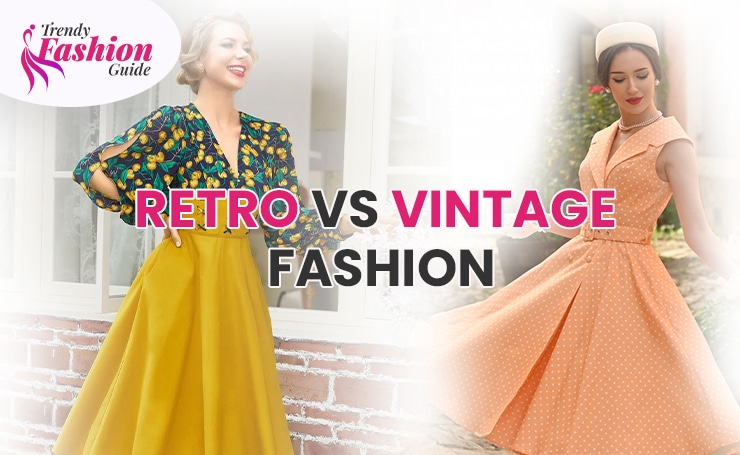
So where do they differ? Let’s see.
Difference 1: Retro Isn’t Old, Just Inspired
The major difference is that retro doesn’t have to be old. It is reminiscent of an old era instead of belonging to it.
Whereas vintage fashion belongs to a specific time period. The garment should be around 20 to 100 years old.
Difference 2: Vintage Spans More Years
Vintage fashion has a longer timespan than retro. Retro does not have to be older than the 1950s.
Whereas, vintage clothing can be as old as 100 years.
Difference 3: Vintage Is Real, Retro Is Concept
Vintage items are tangible, not just a concept. You can see them, display them and hold them. In most cases, these garments are well-loved and have an authentic history.
Retro, on the other hand, can be a concept as well as something tangible. It imitates an older style, typically from the 50s and the 90s. It can be an aesthetic or an idea, such as retro-futurism, etc.
Cultural Impact of Vintage Fashion
The vintage pieces you adore have some significant cultural impact. Every decade brought its own trends that continue to influence today’s fashion.
Fashion was all about practicality in the early 20th century. However, the fashion industry took a major shift in the 1920s. The flapper dresses with their glam and loose-fitting became popular.
As time progressed, each decade saw major changes in fashion. From tailored suits of the 40s to the grunge look of the 90s, each era stood out with its distinct style.
Timeless Vintage Trends and Iconic Eras
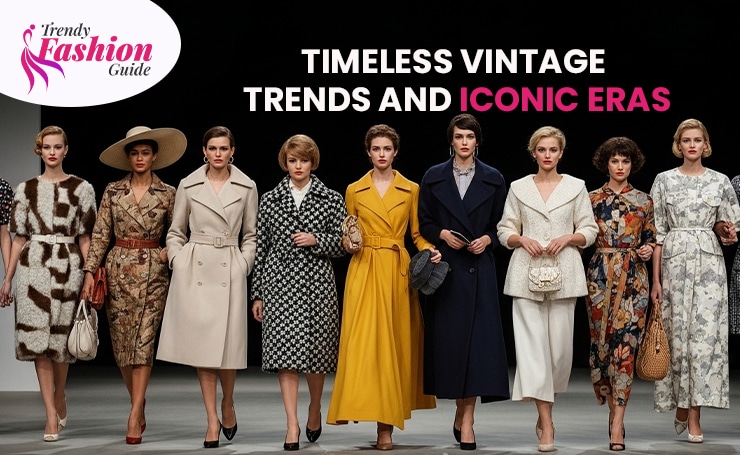
Every era had its own significance. However, some time periods stand out when it comes to fashion. In this section, let’s see those eras that are prominent in fashion history.
1950s
The 50s are considered a significant time for vintage fashion. It was the time of feminine allure shown in the clothes. Women wore full skirts with cinched waists. Dior’s new look was all the hype.
Men embraced their charm through tailored suits. These suits were influenced by the popularity of rock n roll culture.
1970s
The 1970s were the revival of the Bohemian era. The fashion vibe was laid-back. The silhouettes were flowy with earthy tones and a disco-inspired aesthetic.
Women wore maxi dresses with peasant blouses. Men went for an eclectic and carefree vibe with wide lapels and flared trousers.
1980s
The vintage fashion in the 80s was all about glamour and excess. It was the era of bold colors, embellishments and exaggerated silhouettes.
Women wore power suits with padded shoulders, metallic fabrics and bold shades. Men embraced sleek suits and bomber jackets.
1990s
This decade saw a transition in fashion. The early 90s were all about athletic wear and vibrant shades. However, in the late 90s, slip dresses and preppy styles became famous.
The 90s vintage fashion also had subcultures, such as grunge and punk. Music, sports, celebrities and models influenced the fashion trends.
How to Wear Vintage Clothes?
When it comes to vintage fashion, you need to make sure that you do not feel like you’re in a costume. Whether you like the 70s boho style or the 90s preppy fashion, the following styling tips will curate a sophisticated look.
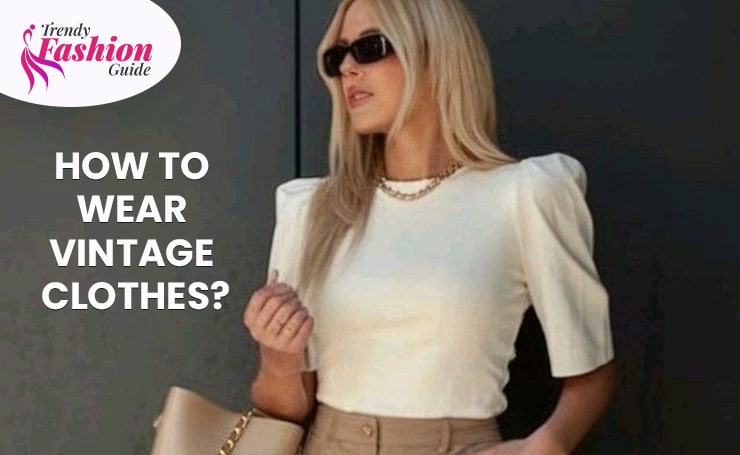
- Pick one detail from the vintage fashion and incorporate it into modern clothes.
- Follow the rule of three. If you can style that vintage piece in three modern ways, that is an ideal choice.
- Learn from experts to style vintage clothes beautifully. You can go for famous fashion bloggers or the celebrities you look upto.
- Experiment with vintage and modern fabrics and patterns.
- Learn about some niche vintage fashion details, such as menswear, trims and appliqué.
- Add vintage accessories to a modern silhouette or try to incorporate modern accessories into a vintage piece.
Outfit Ideas: Vintage Fashion for Men and Women
Whether you are a man or a woman, vintage fashion looks charming and evokes a sense of nostalgia. Are you looking for vintage outfit ideas? This section outlines ideas for both men and women.
Vintage Fashion Men
From classic to funky looks, you can style yourself in different ways.

Polka Dotted Shirts
Polka dots were popular for men in the 50s. For a retro look, you can pair a polka dotted shirt with dark denim or a slim-cut chino. Complete the outfit by adding a chic pair of leather loafers.
Stiff Collars
In the Victorian era, men used to wear stiff collars to show status and refinement. You can achieve this retro look with a fitted dress shirt with stiff collars paired with a suit and a patterned tie.
Bell Bottoms
Bell Bottoms are the staple for 70s Retro clothing. It was inspired by the disco and hippie culture of the time. You can style bell bottom jeans with a tee or a button-down shirt and a pair of sneakers.
Suspender with Tee and Hat
Suspenders were a famous clothing item for men in the 20th century. You can look stylish by combining a solid colored or subtly patterned shirt with suspenders. Pair it with distressed jeans for a laid-back vibe.
Retro Shirts and Jackets
Retro shirts and jackets are popular among men due to their unique vintage quality. You can wear a patterned shirt underneath a plain jacket for a stylish retro vibe. Opt for tailored trousers or jeans to complete the look.
White Sneakers with Jeans
Style white sneakers, opt for fitted jeans with a slight cuff. A plain white shirt, a graphic tee or a vintage sweater will look excellent for this.
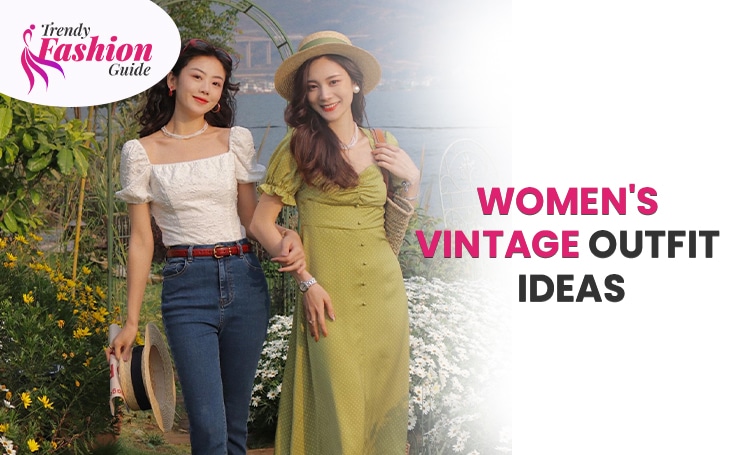
Women’s Vintage Outfit Ideas
Vintage fashion does not have to be costume-y. Here is how you can adapt these looks with sophistication.
Glitzy 1920s
It was the time of flapper dresses, sequins and drop waists. To look modern, you can:
- Wear stylish metallic heels rather than T-straps.
- Opt for a minimalist hairpin or barrette instead of feathered headpieces.
Elegant 1950s
Full skirts with cinched waists and feminine patterns are the ideal choice. You can:
- Wear ankle boots or block heels instead of traditional pumps.
- Pair the skirts with a leather jacket or a cropped blazer for an edgy touch.
Boho 1970s
Peasant-style frocks and flowing maxi dresses were all the hype in the 70s. You can:
- Go for delicate jewelry instead of chunky bohemian pieces.
- Add a modern bag or a belt.
Minimalist 1990s
Slip dresses, mom jeans and oversized blazers were famous in the 1990s. To modernize this look, you can:
- Pair slip dresses with ankle boots or chunky sneakers.
- Go for small bags and dainty jewelry instead of bold chokers.
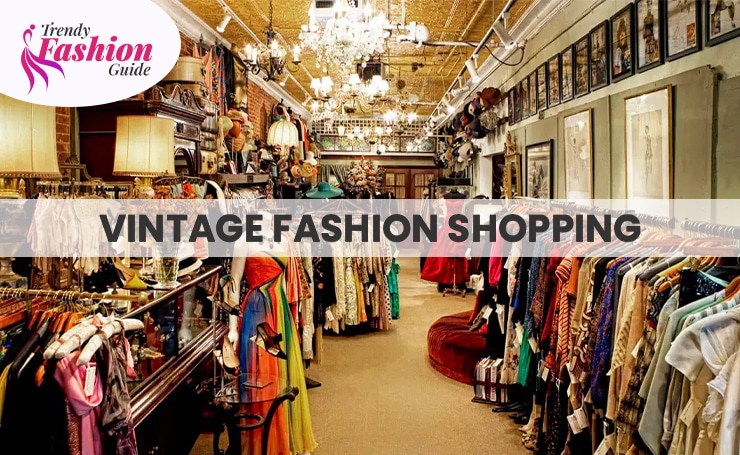
Vintage Fashion Shopping
If you are wondering where to buy vintage clothes, have a look at the following stores.
Vintage Clothing Online Stores
Etsy: It is a huge marketplace where independent sellers sell vintage clothing.
Depop: This store is great for affordable vintage clothing from the 90s and the Y2K era.
ASOS Marketplace: This online store has vintage designer resellers and curated boutiques.
ThredUp: It focuses on secondhand and vintage fashion items. You can filter your searches by brand, size and style.
The RealReal: You can buy high-quality designer vintage pieces on this online store.
Vestiaire Collective: You can find luxurious vintage items on this vintage clothing website.
Her-Age: This store has rare vintage designer pieces.
Beyond Retro: If you want trendy vintage pieces, this is the right store for you.
Shop Recess: Here you can find the 70s and the 90s vintage fashion.
In Store Vintage Shopping
There are many vintage clothing store options if you do not want to shop online. You can go to:
- Curated stores
- Flea markets
- Specialty vintage boutiques
- Thrift stores
Vintage Wardrobe Staples
To create your own vintage-inspired wardrobe, you should have certain pieces.
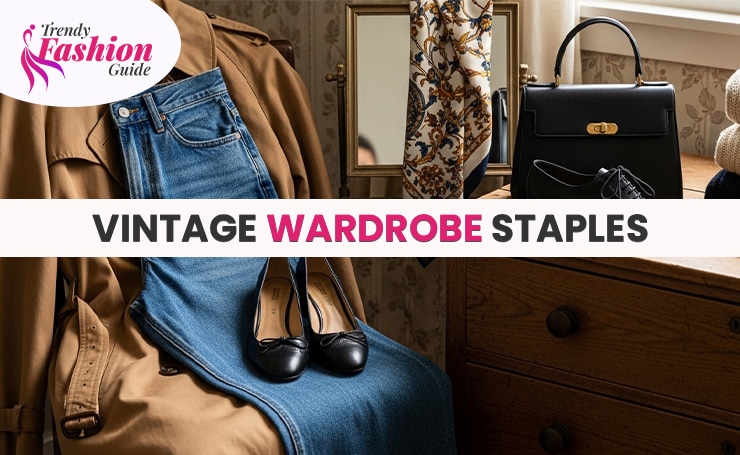
- The vintage denim jacket
- An oversized patterned or checkered shirt
- A floral midi
- The high-waisted jeans
- The retro knit sweater
- A vintage trench or long coat
Finishing Touches for Vintage Clothing
Accessories, makeup and hair are the most important after the clothes in vintage fashion. These aspects complete your look, whether you want elegance or a boho look.
Accessories
- The long strands of pearls added beauty to the iconic flapper style of the 1920s. Wear pearls for a refined look.
- Wide-brimmed and pillbox hats were staples of the 60s. You can add structure to your dress with these hats.
- If you like the maximalist energy of the 80s, consider chunky bangles, gold chains and oversized earrings.
Hair and Makeup
If you do your vintage-inspired makeup too literally, it might look too costume-y. Therefore, keep it subtle, flattering and modern.

- Opt for soft waves with a side part instead of tight curls.
- For a 90s look, go for a brown lip liner with a gloss, but tone it down for a modern and natural vibe.
- Leave dark blush and matte foundations behind. Instead, create a glowy look that aligns with the modern makeup.
Is Vintage Fashion Sustainable?
The fashion industry has seen a significant rise in fast fashion. However, it raised some environmental concerns, which made people turn to sustainable vintage fashion.
Apart from nostalgia, vintage fashion is ideal for the conservation of our environment. Have a look at the benefits of vintage clothing choices for sustainability.
Waste Reduction
Fast fashion clothes start to fall apart after a few wearings. They are disposed of in the landfills. Based on the Environmental Protection Agency (EPA) survey, around 11.3 million tons of clothes were produced in the US in 2019. Only 15.2% was recycled.
Vintage clothes break this cycle by giving a second life to the clothes. Many retro clothes are designed to last, significantly reducing the waste.
Resource Preservation
The production of new clothing requires different resources, including water, raw materials and energy. The fashion industry is one of the leading causes of carbon emissions and water wastage.
Vintage fashion preserves these resources, as these clothes have already been produced. Using these clothes reduces the strain on the planet’s resources, creating a responsible fashion industry.
Less Pollution
The production of new clothes is also creates the most pollution out of all the supply chain procedure. Vintage clothes help in this aspect as well.
These clothes are secondhand. Using them does not require the production of new ones. This approach bypasses stages of pollution, which is great for our planet.
Celebrities Who Rock Vintage Fashion
Today, even the A-list celebrities are rocking vintage looks, making this aesthetic famous again. These celebrities are also becoming the inspiration for people who want to mix vintage with modern.
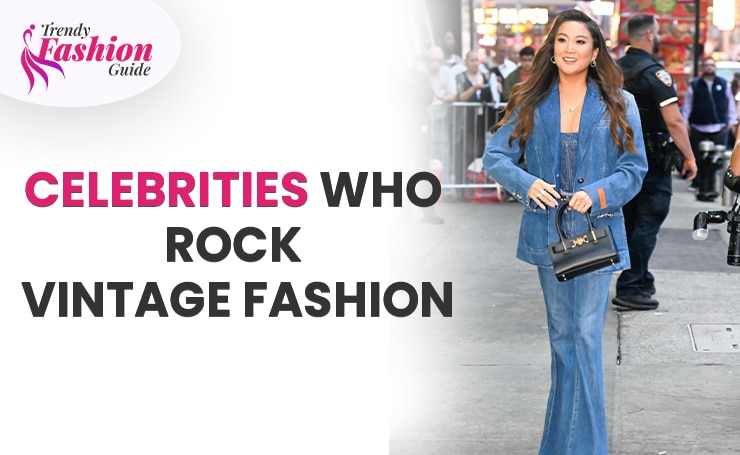
Zendaya
When it comes to vintage fashion, Zendaya is the first name that comes to mind. She has become the biggest ambassador of rocking vintage looks. Her modern silhouettes have a strong influence of the 80s and 90s fashion.
Her red carpet looks mostly comprises of sharp tailoring and bold colors. If you want to achieve a vibrant vintage look, Zendaya’s style is perfect.
Harry Styles
For men, Harry Styles is an absolute inspiration for the vintage aesthetic. He is known for rocking gender-fluid fashion and bold vintage choices. You will often see him channeling the glam rock look of the 1970s.
His signature wide-legged pants and patterned shirts make him look effortlessly chic. Add in accessories, such as a scarf and rings, to complement the look.
Common Mistakes to Avoid When Wearing Vintage Fashion
- Make sure that the piece you are buying is at least 20 years old for it to be considered vintage.
- Always check the measurements before paying for vintage clothes.
- Do not ignore the condition of the item. Minor flaws should be clearly mentioned in the description.
- Do not confuse vintage with secondhand. Vintage is rare and old, making it a valuable investment.
- Pay attention to the fabrics, as some items require special care.
- Choose a store that specializes in vintage clothing.
- Do not overlook the importance of vintage accessories, such as scarves and belts.
- Buy what you really love instead of following what is in trend.
- Opt for high-quality pieces that stand the test of time.
- Customize every vintage purchase to make it uniquely yours.
How to Start Your Own Vintage Collection
Building your own collection is a dream for all vintage fashion enthusiasts. Let’s see how you can curate your wardrobe with valuable and beautiful vintage pieces.
The process is lengthy but worth it in the end. You can start by finding the pieces from:
- Auctions
- Thrift stores
- Estate sales
- Flea markets
- Wholesalers
- Online marketplaces
- Consignment shops
- Other collectors
Tips for Bagging Unique Finds
Visit sales and stores often: Know what the right days to visit a shop are. Visit when the shop gets a new item or has a sale going on.
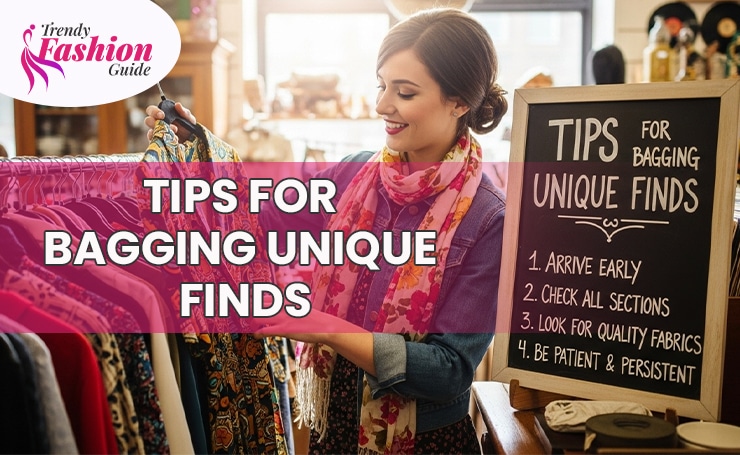
Know what you are looking for: Keep a list of characteristics you are looking for in a dress. When you repeatedly visit different stores, you can easily find the piece you are looking for.
Work with a partner: A partner who knows what you want can alert you whenever they find the dress with unique vintage charm.
Do your homework: Inspect each dress closely. While minor flaws can be repaired or overlooked, these defects can be used to negotiate a lower price.
Repair, Cleaning and Storage
After buying a vintage piece, it is necessary to clean and repair it and store it in a safe place. If you know how to work with a sewing machine, you can handle all the repairs. Otherwise, you can work with a personal tailor as well.
For cleaning, read the label and follow the instructions to safely get rid of all stains. You should also hire a clothes steamer to straighten any wrinkles. The steamer can also remove musty smells clinging to the cloth.
Make sure to store the dress in a place away from light, moisture, pests and temperature changes. You can get the services of professional wardrobe storage businesses as well.
How to Spot a Fake Vintage Piece
Nobody wants to invest in a vintage piece only to find out that it is fake. But how to recognize its authenticity? Let us help you.
- Research the brand’s history. If a brand is relatively new, it will not have any vintage pieces.
- Look for three things in the vintage piece: single stitching, handmade details and quality craftsmanship.
- Check the labels and manufacturing dates of the garment. Look for “made in” tags and RN numbers.
- Vintage fashion has distinct fabrics, patterns and silhouettes. These characteristics make vintage pieces unique and valuable.
- Learn about important trends, designers and styles of different eras to avoid getting scammed.
- Rely only on trusted sources. Purchase from trustworthy sellers with a proven industry track record. Consult with vintage experts to know the real worth of a dress.
Red Flags To Look for
- Prices: If the price of a vintage item is significantly lower than its market value, it is probably a fake piece.
- Wear and Tear: Vintage garments often show minimal wear and tear. A brand new looking dress may just be a replica.
- Inconsistencies: Look for any inconsistencies in the labels, logos and other details that do not match the brand’s authentic pieces.
- Research: If something feels off, trust your instincts and do thorough research.
Seasonal Vintage Styling Tips
Different seasons require different styling. Vintage fashion is versatile and suits every season.
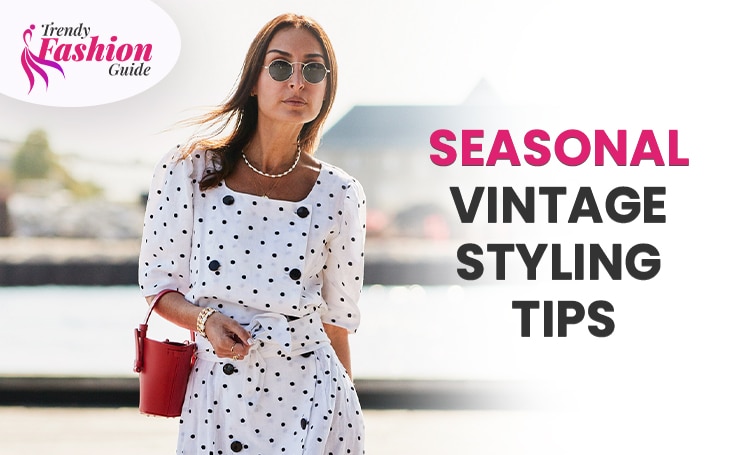
Spring: Combine 1950s floral skirts with a denim jacket or casual cardigan.
Summer: Swing dresses from the 40s or high-waisted shorts with a stylish top are perfect summer vintage fashion choices.
Autumn: Pair a 1950s cardigan with a 1940s skirt. You can also combine a 70s plaid skirt with a turtleneck and knee-high boots.
Winter: Get a trench coat as your outerwear. Opt for sturdy boots from the 70s for style, comfort and practicality.
Wrapping Up
Vintage fashion has become popular in recent times due to its charm and sustainability. Fashion enthusiasts are leaving fast fashion, as they are ready to look chic while also saving the planet.
In this guide, we thoroughly explored every aspect of vintage fashion, from its cultural impact to the seasonal looks. You can transform your wardrobe and style using this blog and turn heads wherever you go. For more updates about fashion, visit the Trendy Fashion Guide.
FAQs
Why is Vintage Fashion still relevant?
Vintage fashion is relevant because you can show your personal style through it. The timeless charm never goes out of style. Moreover, the nostalgia and high quality of these pieces make them the top choice for all fashion enthusiasts.
What are the Best Vintage Clothing Websites?
Some of the top websites for vintage clothing are eBay, Etsy, Depop, ASOS Marketplace and The RealReal.
What are the famous Vintage fashion trends in 2025?
In 2025, Y2k trend from the early 2000s, maximalism from the 80s, high waisted jeans, graphic tees, tulle and mini skirts are becoming popular due to the interest of Gen Z and millennials.
How can I build a Vintage Wardrobe?
For a versatile wardrobe, purchase classic staples. Make sure to invest in accessories as well. Rotate your clothes by mixing and matching for a fresh look every day.