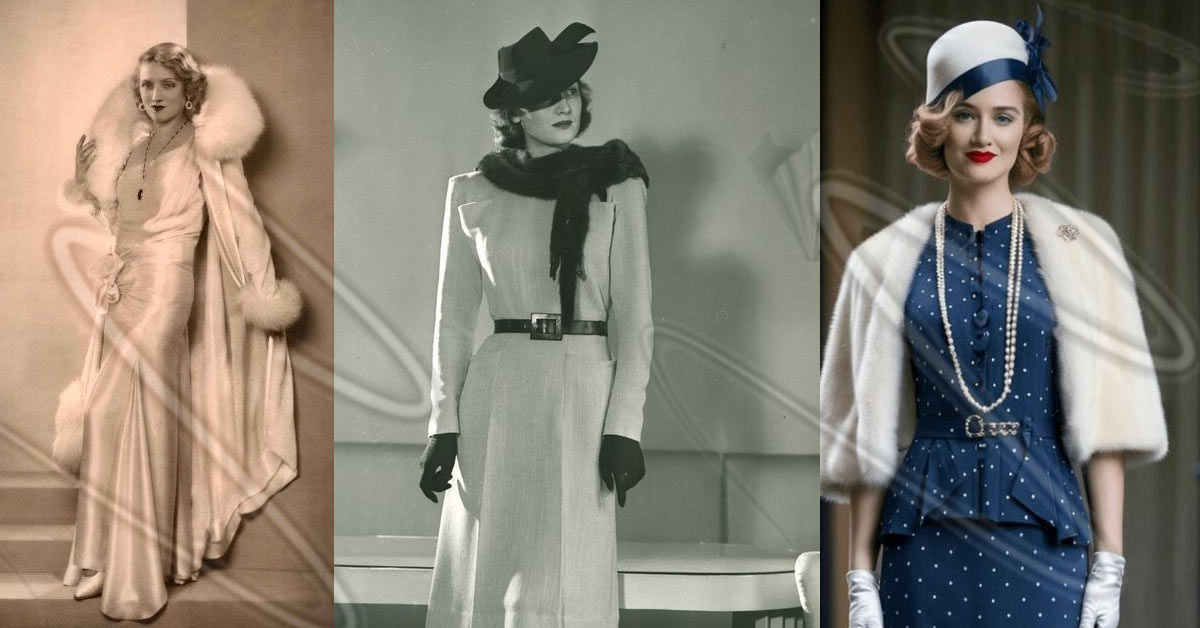
You can say that the 1930s were a time of contrast. The whole world was navigating through the Great Depression, yet the fashion industry was thriving and introducing new silhouettes. Hollywood glamor had a strong influence; however, people had to adopt simple clothing due to the economic crisis.
1930s fashion is considered a turning point. The bias-cut redefined the women’s eveningwear. The introduction of ready-to-wear clothes became widespread and accessible.
In this guide, we will explore these fashion trends for women and men. Keep reading to see how men and women dressed up in the 30s, and some practical tips to dress up like them in this modern era.
30-Second Summary
The decade of the 30s is all about glamor and elegance. Despite facing an economic crisis, people found ways to dress fashionably. The role of Hollywood is considered important in impacting 1930s fashion.
Let’s explore the iconic style of this decade in this guide. Learn about the history, impact of the Great Depression on fashion, women’s and men’s styling, and how you can dress up like the 30s without overdoing it.
A Glimpse into History
The 1930s are almost a forgotten decade. It comes in between the two most life-changing decades: the 1920s and the 1940s. In the 20s, fashion was all about excess and liberation after the First World War.
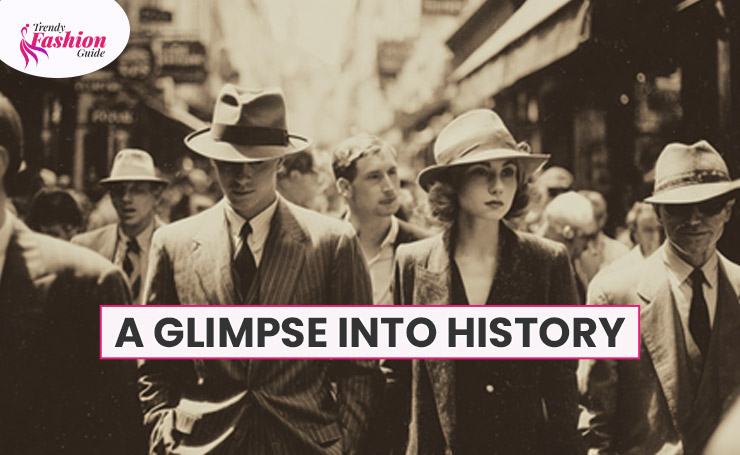
The 40s were completely opposite, where fashion was restricted. Between these two decades, the 30s started with the Great Depression and ended with the Second World War. However, it also represented iconic fashion trends.
This decade saw the rise of many female designers, such as Coco Chanel, Madame Vionnet, and Elsa Schiaparelli. The silhouettes of this time were sophisticated, grown-up, and womanly.
1920s and 1930s Fashion
The 20s and the 30s differ greatly in terms of fashion. In the 1920s, the flapper look was all the rage. It had a carefree vibe with dropped waist, bold accessories, and short hemlines.
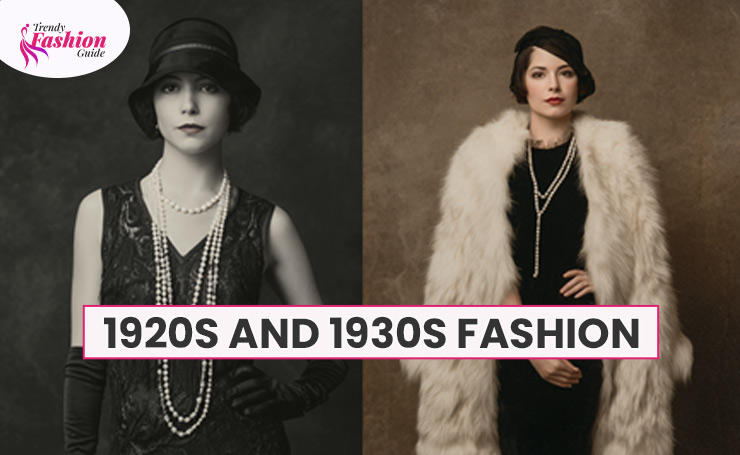
When the 30s started, the fashion became refined, hemlines became longer, and the waistline became prominent.
It was a clear transformation from rebellion to a desire for grace and stability in the tough times of the Great Depression.
Depression Era Fashion
The Great Depression had a strong impact on clothing. People had to repurpose their clothes. The designs became simpler with fewer embellishments as many families could not afford lavish clothing.
The contrast between Hollywood glamor and the everyday clothing of people was astounding. These movies offered escapism. People admired the gowns and other pieces of clothing they saw but could not afford due to economic tension.
Fashion 1930 to 1940
The end of the 1930s saw more tailored and structured looks. The padded shoulders and stronger silhouettes showed the growing tensions of the world, which led to World War II.
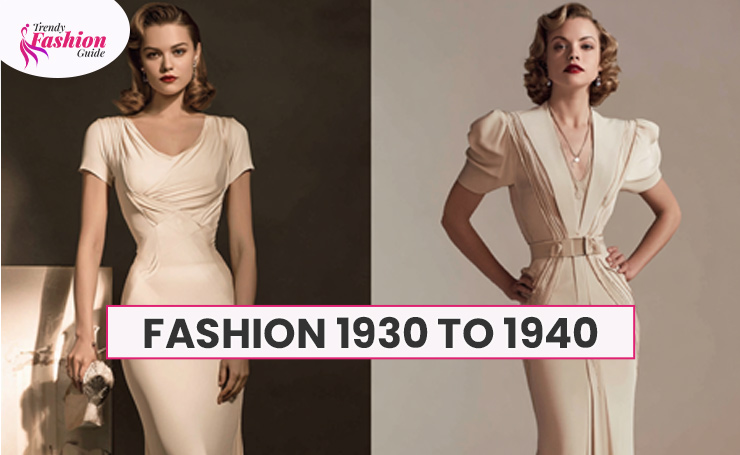
This transformation from flowing gowns to the more structured dresses showed the change in fashion that came from political and cultural changes.
1930s Fashion Trends
Below are the trends of the 1930s fashion that epitomized the decade for many people.
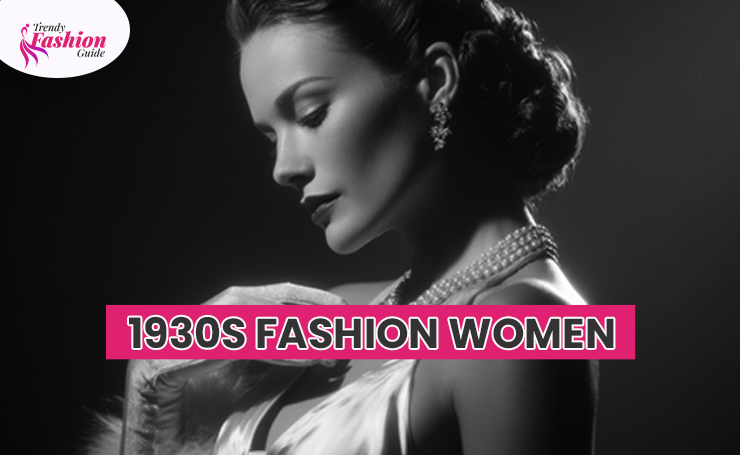
- Bias-cut dresses became the sign of femininity and elegance.
- Wide-leg trousers in the 1930s were popular amongst men and women.
- The butterfly sleeves in the 1930s were also a common fashion trend for women.
- The padded shoulders of 1930s fashion shaped women’s silhouettes.
- The zippers fashion in the 1930s gained fame and replaced buttons and hooks.
- The trend of ready-to-wear 1930s dresses made stylish yet affordable clothes accessible to the middle class.
1930s Fashion Women
After the 20s ended and the 30s started, the boyish look of the previous decade transformed into the soft and feminine style. The waistline came to its natural place, and the hemlines became longer.
However, the 1930s fashion had simple lines just like the 20s; these lines hugged the curves instead of a sack-like silhouette.
The Bias Cut
This decade is best known for the invention of the bias cut. It means cutting the fabric diagonally (45 degrees) against the weave. This cut created body-hugging and flowing dresses. This cut made the evening gowns of the 30s look like “liquid silk”, making women look sensuous.
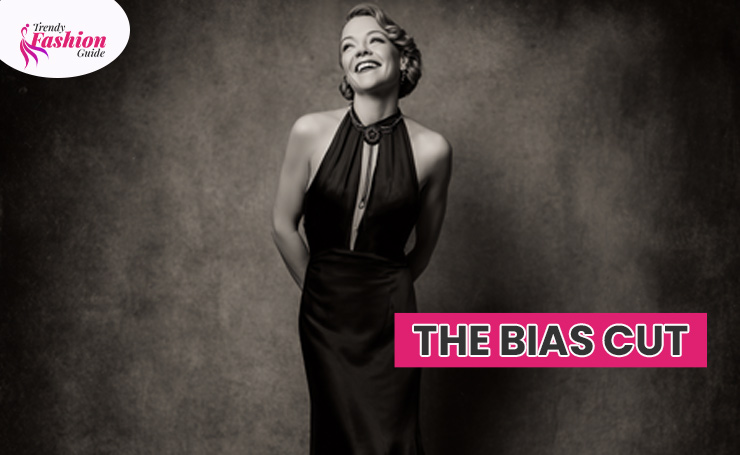
Many women combined the bias cut dresses with a backless style. It was a rather daring fashion trend. The women emphasized their backs by wearing dresses with plunging backlines or slashed backs. Some women also adorned their backless dresses with jewelry.
Day Dresses
While the eveningwear was all about body-skimming dresses, the day dresses were full of femininity and romanticism. The patterns of daywear clothes included florals, plaid, dots, and abstract designs, such as zebra print.
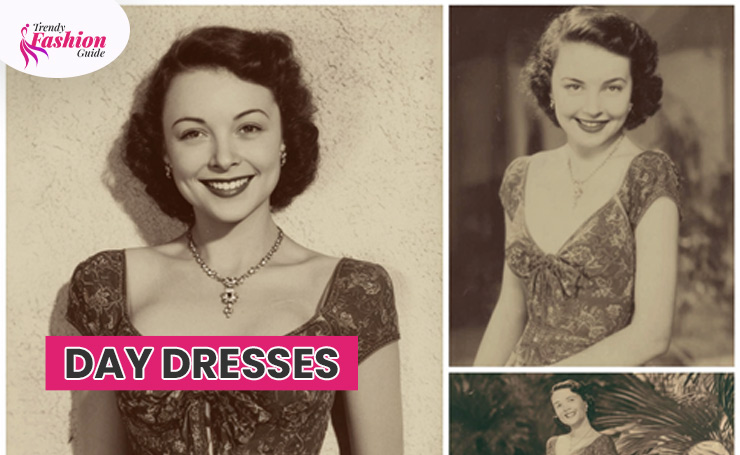
These dresses had defined waists, and the length was mid-calf to just above the ankles. The smart suits had crisp lines and accentuated shoulders.
These exaggerated shoulders were popular on both dresses and suits and considered the hallmark of 1930s fashion. They were accentuated through layers, padding, and other embellishments.
Work Clothing
In the 30s, women from all types of socioeconomic backgrounds were allowed to dress fashionably. The man-made fabric (such as Rayon) and the invention of zippers made clothes cheaper and quicker to make.
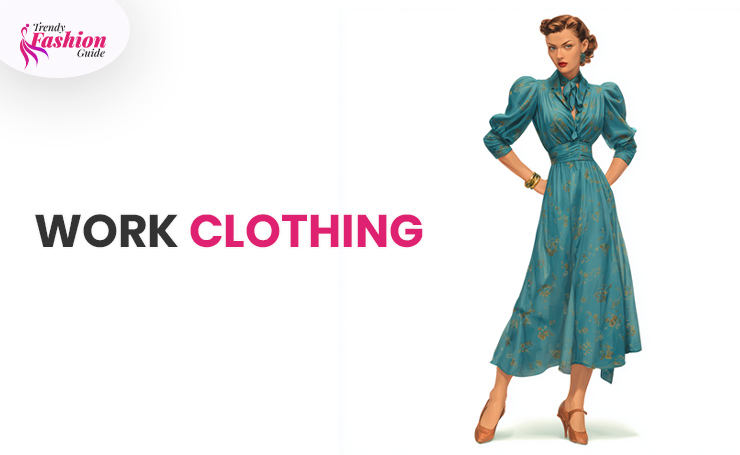
More women were working, and it gave rise to the business girl who could afford to look beautiful. The work dresses had cinched waists, long hemlines, and feminine prints. The skirts were fitted on the hips, and the hems of these skirts were fuller through pleats or flared gores.
Sports Casual
The sportswear 1930s women was inspired by the trend of staying healthy and active through sports. This idea of fitness extended into clothing and gave rise to many fashion trends.
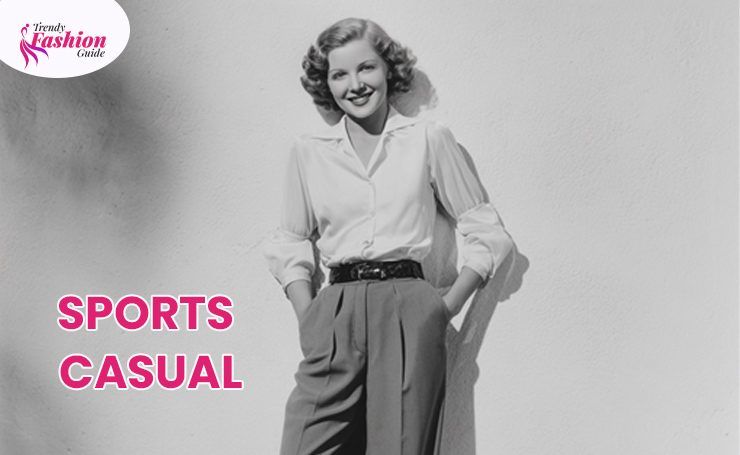
In this decade, lounge pants and wide-leg trousers became popular as they were chic and comfortable. Other trends were inspired by sailor and military looks.
Hollywood Glam
During the Great Depression, women would flock to the cinemas to see what their favorite artist was wearing. The romance and glamor of these actresses had a strong influence on the 1930s fashion of women.
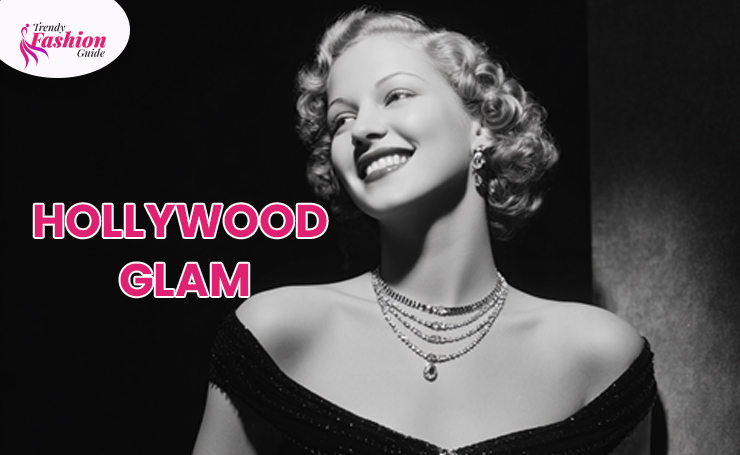
Hollywood stars, such as Marlene Dietrich, Bette Davis, Greta Garbo, and Joan Crawford, became some of the first fashion icons of the 30s. Many women would try to copy them, and the makeup industry made it easier.
The women could copy the makeup of their favorite celebrities at a small cost, making fashion accessible.
1930s Women’s Accessories
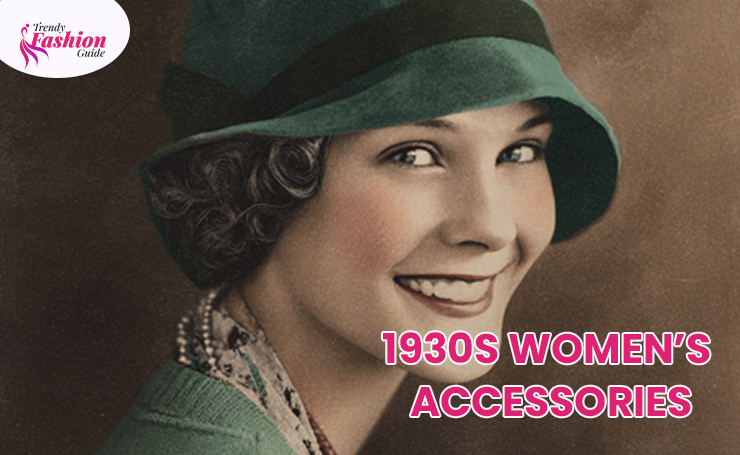
Hats: The women wore berets, cloche hats, and elegant turbans.
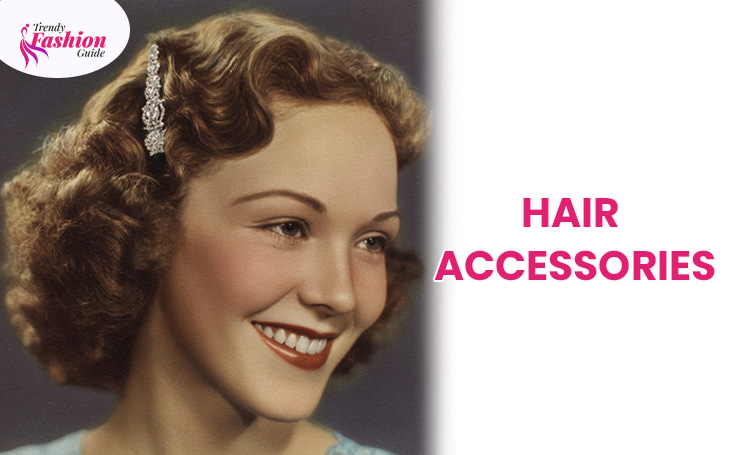
Hair accessories: Beautiful rhinestone hair clips, hair combs, and bobby pins were used to make hairstyles.
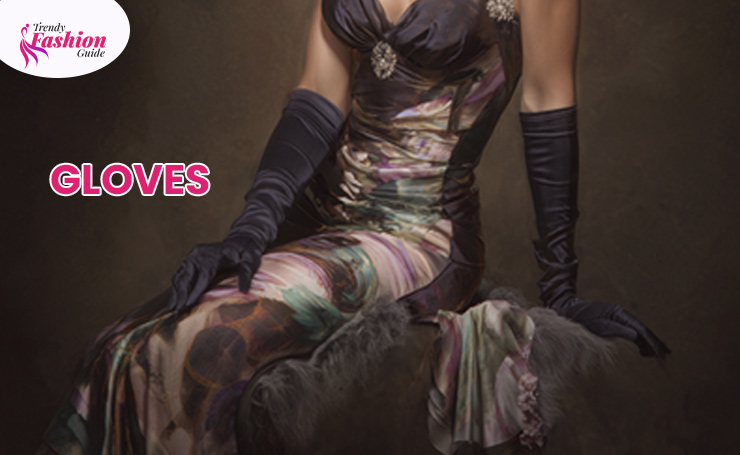
Gloves: Gloves were worn for both daytime and evening looks. They were loose and came up to the mid-arm.
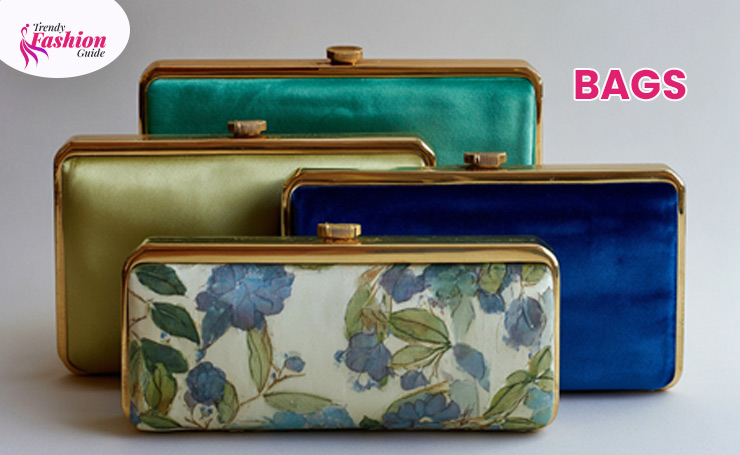
Bags: Rectangle flat clutches in smooth satin or velvet were famous. Some women used to carry small beaded purses.
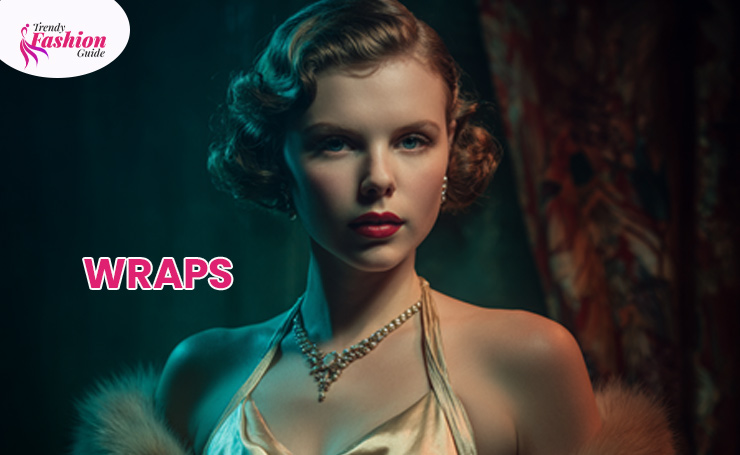
Wraps: The wraps were popular for an elegant evening look. These fur or velvet capes would cover the arms gracefully.
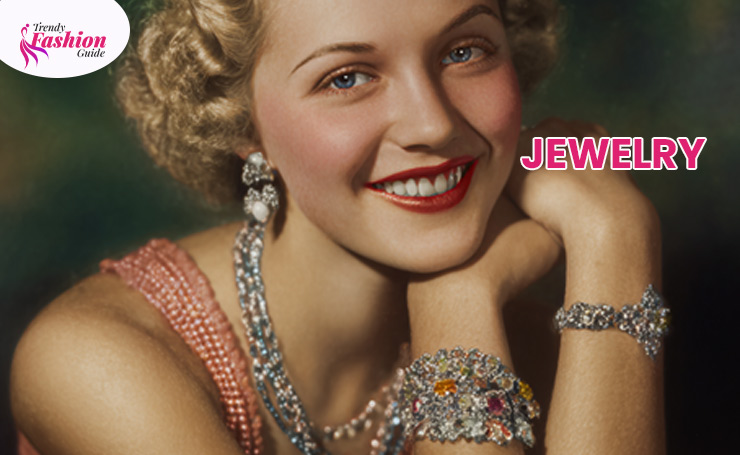
Jewelry: Women used to wear rhinestone earrings, a pearl or glass bead high necklace, sparkling brooches, and chunky bracelets.
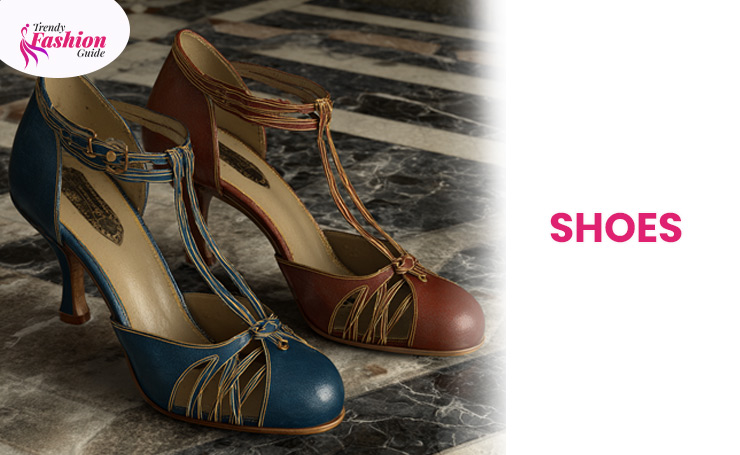
Shoes: The shoes were comfortable and practical, often pumps and strappy heels.
1930s Fashion Men
The 1930s fashion for men reflected a new level of sophistication and grace. During the Great Depression, fashion acted as escapism for men, too.
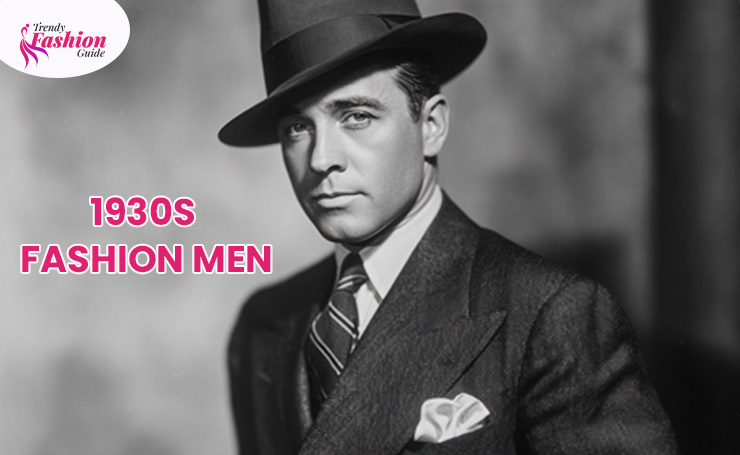
In this decade, the suit became a symbol of dignity despite economic troubles. Men would also take inspiration from the celebrities of the silver screen.
1930s Fashion History Key Trends for Men
Have a look at the essentials of men’s fashion in the 30s.
Suits
Unlike the loose fits of the previous decade, the men’s suits in the 30s created a masculine silhouette and emphasized natural body shape. A three-piece suit was the epitome of refinement, and a matching jacket and trousers created a cohesive look./
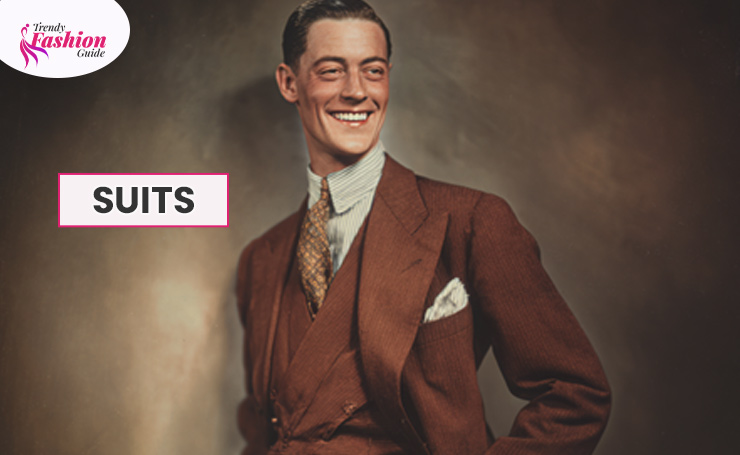
The 1930s men’s drape cut suits made them look broad and muscular due to extra fabric. Suit jackets had a nipped waist and a single back vent. The armholes were high and accentuated the chest while slimming the mid-section.
Shirts
Shirts in the 30s were made of cotton and had different types of collars, such as the spread collar, the classic point collar, and the rounded club collar. The rounded club collar was worn with a tie pin.
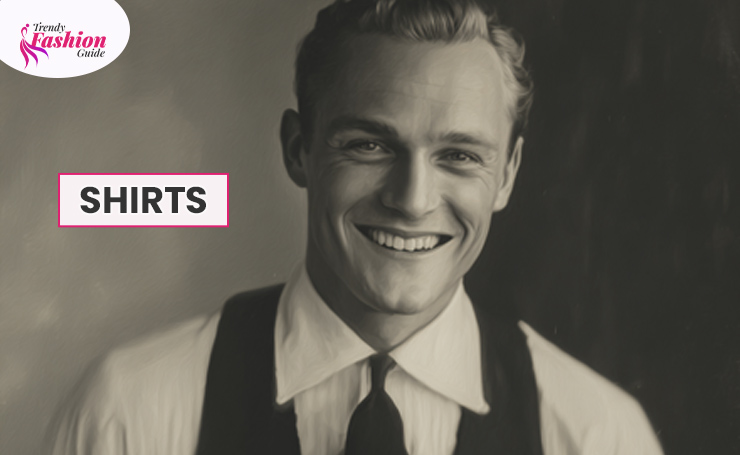
The colors of these shirts were mainly solid. The white shirt was the staple of formal occasions. Stripes and subtle patterns were suitable for everyday wear.
Pants
The longer leg silhouette was the hallmark of men’s pants. The high-waisted trousers had a leaner line that elevated the male figure. The use of fabric was generous on the thigh area and tapered slightly toward the cuff.
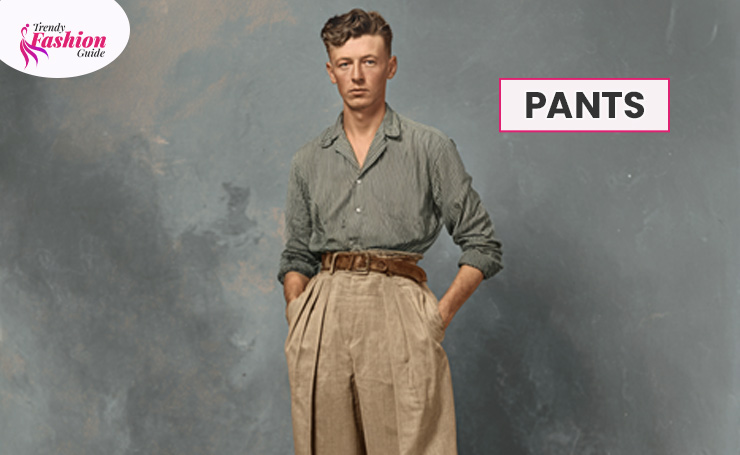
Apart from style, the cuff was also a functional detail. It used to weigh down the wider leg opening and protect the hem from fraying.
Sweaters and Knitwear
The 30s saw the popularity of casual wear that made sweaters and knitwear important in a man’s wardrobe. The styles and patterns of knitwear expanded, including the argyle pattern.
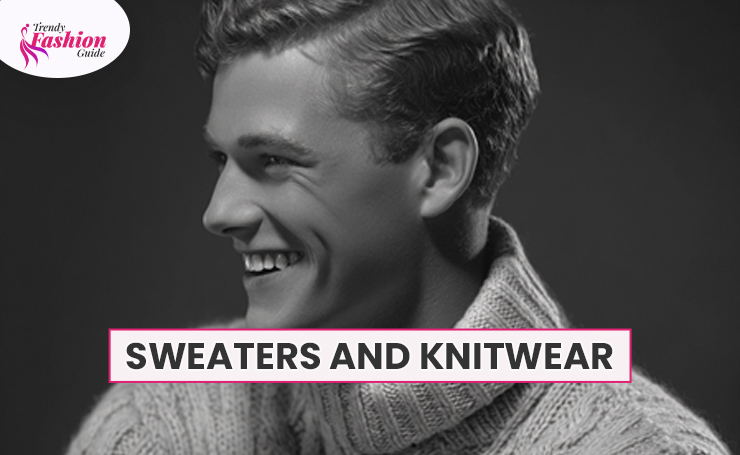
The intricate design and colorwork of cable knits and chunky Fair Isles made them a popular choice among men. The button-front cardigans became an ideal alternative to blazers for informal gatherings.
Jackets and Outerwear
Apart from warmth, outerwear became an important part of men’s dress. The weekend wardrobe had a sports jacket, often in tweed. The Chesterfield coat was ideal for more formal occasions.
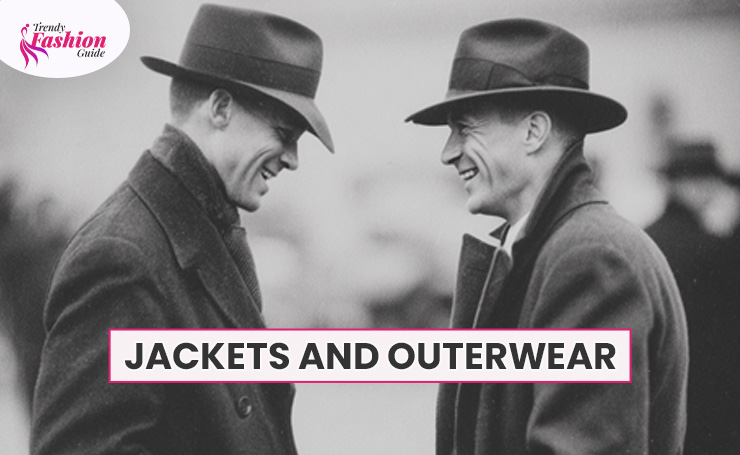
Leather jackets inspired by aviators and motorcyclists became symbols of adventure and rebellion. Pea coats and duffel coats also became popular choices for men in the 30s.
Footwear
The footwear had the perfect balance of innovation and tradition. Oxford shoes remained the perfect standard for formal occasions. The brogue was more suitable for business and leisure.
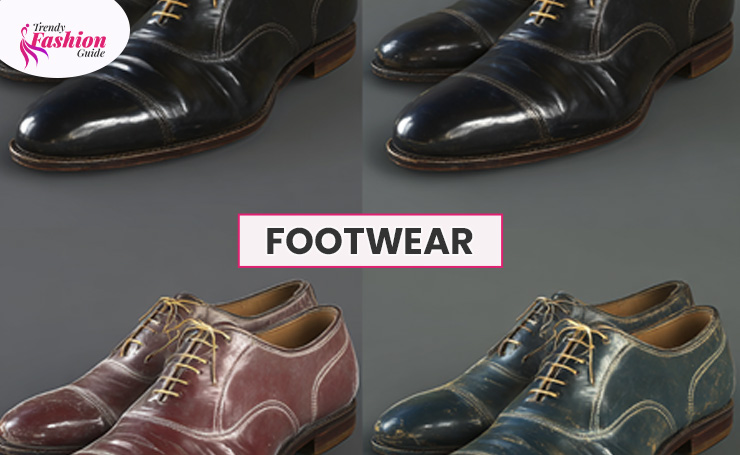
In this decade, athletic shoes started becoming a part of men’s wardrobe due to the popularity of outdoor activities and sports. The white buck shoe with its red sole became a summer favorite for its casual elegance.
Men’s Formalwear in the 30s
The 1930s fashion for men was a reflection of glamor and elegance. The tuxedo remained ideal for the formal events, but with a tailored fit that accentuated the silhouette of the wearer. The jackets were mostly in dark shades, such as black or midnight blue.
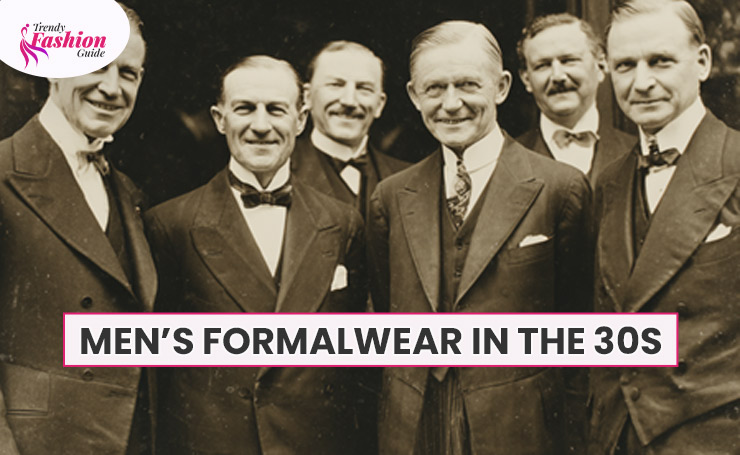
The trousers remained high-waisted. The waistcoat was either single-breasted or double-breasted. The formal shirts had a pleated front for the bow ties. The cummerbund became an alternative to the waistcoat.
Men’s Casualwear in the 30s
The casual wear showed a more relaxed way of dressing. Polo shirts were the go-to choice for outings and sports. The zipper in jackets made them more popular and practical for everyday outfits.
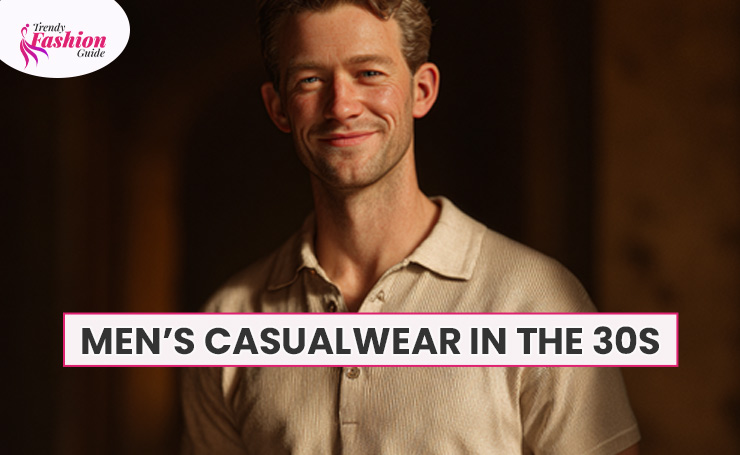
Knitwear was an integral part of the casual dresses. Cardigans and light layers would provide some warmth in the unpredictable weather.
Men’s Accessories in the 30s
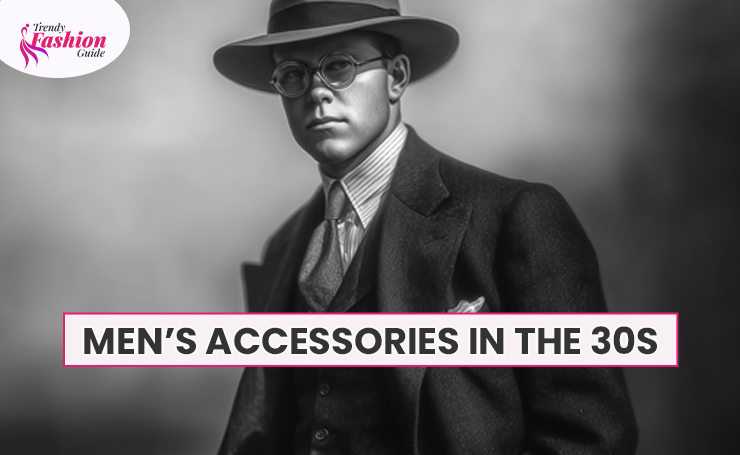
Hats: Hats, particularly the fedora, were a crucial part of the men’s outfits.
Watches: They became a symbol of sophistication and punctuality for men in the 1930s.
Ties: Men would wear ties with different colors and patterns to express their individuality.
Suspenders: Apart from the necessary use of suspenders for high-waisted trousers, they also became a part of the 1930s fashion.
Belts: Belts were not common, but they started to emerge as a casual alternative to suspenders.
Glasses: Eyeglasses were mostly in tortoiseshell and metal. Sunglasses also became popular due to the influence of Hollywood.
Other Accessories
- Pocket squares added a beautiful touch of color and contrast.
- Cufflinks became a symbol of elegance for French cuffs.
- The walking stick became a fashion choice rather than for support.
- Leather gloves, while driving and for formal events, looked elegant.
- Scarves were used for practicality and to add a pop of color, often worn loosely around the neck or tucked into a coat.
Vintage 1930s Style Inspiration
Many fashion enthusiasts draw inspiration from 1930s fashion. However, some dresses may end up looking too costume-y. To avoid it, we are giving you some practical tips that will help you look vintage yet chic according to today’s standards.
The 30s Style Inspiration for Women
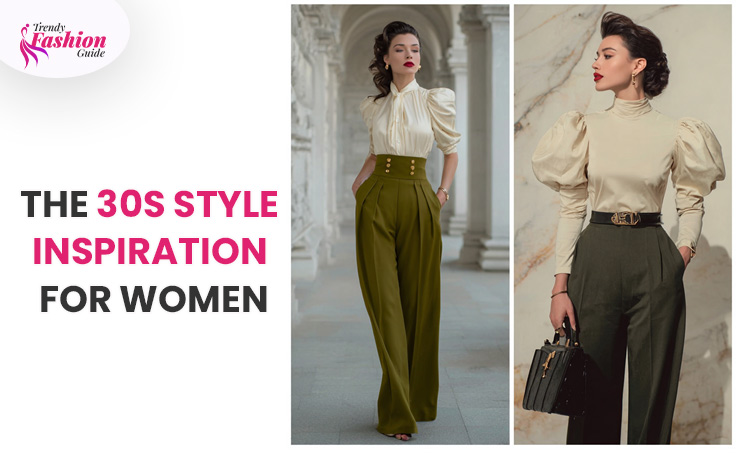
The 1930s fashion is all about elegance with practicality. Here are some modern ways to look vintage yet not costume-like.
Bias-cut dresses: Slip dresses are back in trend now. Get a leather or a denim jacket and pair a slip dress with it to create a modern twist.
Sleeve drama: Opt for blouses with slight puff or butterfly sleeves. Tuck them into your jeans or trousers for a modern and stylish look.
Wide-leg trousers: These were the staple of the 30s. The good news is that they are back in fashion. You can wear a crop top or a fitted blazer.
Accessories: Instead of choosing a whole vintage set, pair one item with modern accessories. For example, wear a beret with a minimalist outfit or an Art Deco necklace with a sleek dress.
Shoes: Wear black block heels or ankle boots instead of Mary Janes to avoid looking too retro.
The 30s Style Inspiration for Men
The 1930s fashion for men was described by tailoring. However, you can go for a modern twist if you want to dress vintage.
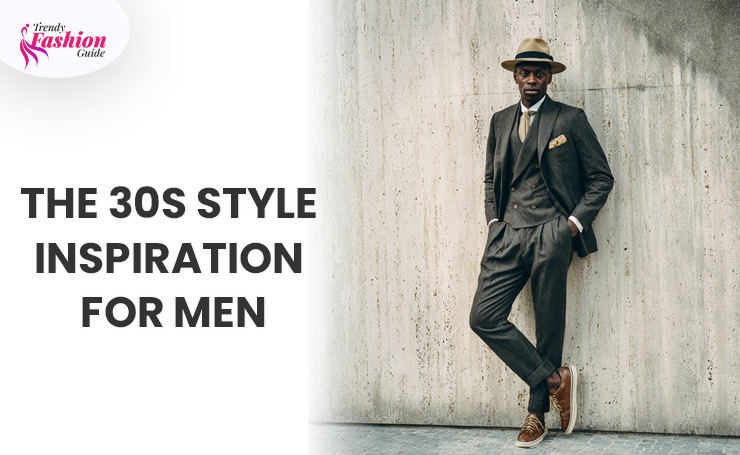
Drape suit influence: You do not need the heavy padding of the 30s. Opt for drape suits with a modern slim cut and pair them with a white shirt.
Three-piece suit: Instead of wearing a three-piece suit every day, try pairing a waistcoat with jeans and a fitted shirt for a modern look.
Casual dressing: Wide-leg trousers are in trend again. Take wide-leg trousers that are cropped at the ankle and pair them with a modern t-shirt and sneakers.
Accessories: For accessorizing, a fedora or pocket square is ideal. However, pair one vintage accessory with a modern outfit to create a balance.
Shoes: Oxfords and brogues have a timeless quality. But if you want a modern spin, you can wear them with slim trousers or chinos.
- The trick is to mix old with new to create a harmonious look. Think of the 1930s as the inspiration, not a costume. Pair one vintage item with a modern outfit for a look that is timeless yet fresh.
Final Thoughts
The decade of the 1930s saw the Great Depression at its beginning and the Second World War at its end. Despite the uncertain economic and political situation, the fashion industry thrived and innovated many trends.
This decade is famous for luxurious fabrics and the rise of ready-to-wear dresses. This guide explored the iconic 1930s fashion in detail. It has some practical tips for people who want to dress up in vintage, but with a modern spin.
Ready to dive more into fashion-related information? Explore the Trendy Fashion Guide.
FAQs
What were the Characteristics of 1930s Fashion?
The 1930s fashion is all about elegance and practicality. For women, the trends were bias cut, butterfly sleeves, and padded shoulders. Men wore tailored drape suits and wide trousers.
What was the Impact of the Great Depression on the Fashion of the 30s?
The clothing was simple and affordable due to the Great Depression. People usually relied on home sewing, reusing the fabrics, and ready-to-wear dresses.
What is a Bias Cut Dress?
A bias cut dress is made by cutting the fabric diagonally (at a 45-degree angle) across the weave. It allows the fabric to hug your body perfectly, creating an elegant and flowy silhouette.
Is 1930s Fashion Still Relevant Today?
Yes, bias cut dresses, drape suits, and wide-leg trousers are in trend again. Designers use this decade for inspiration for modern designs.