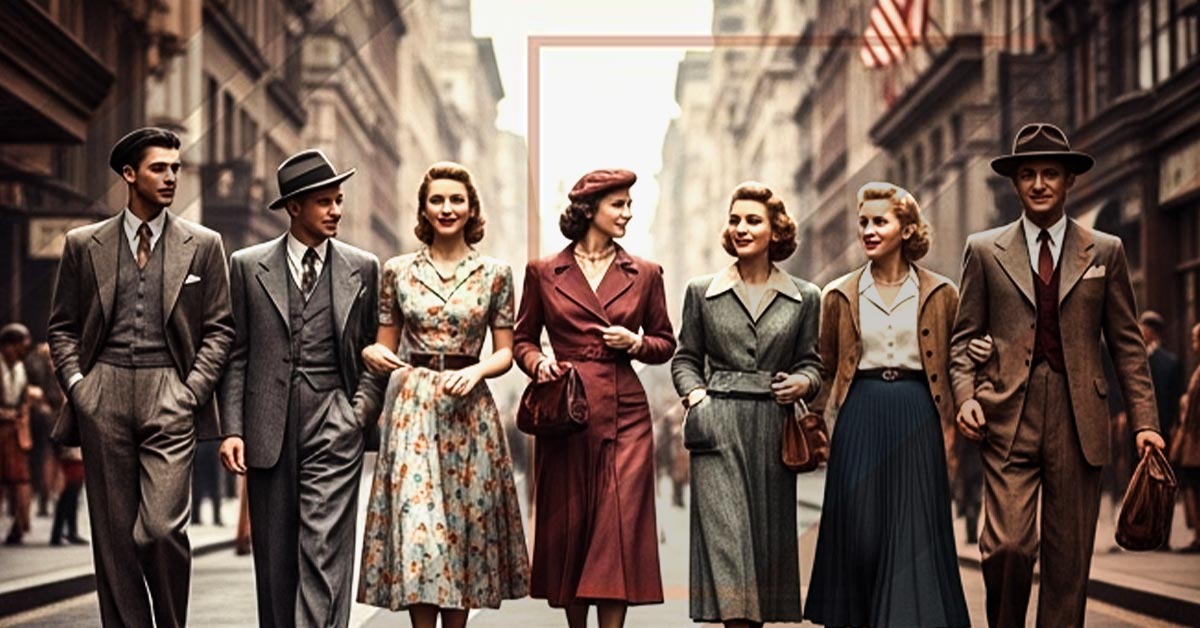
The start of the 1940s brought World War II. As with any other war, this one had an impact on the fashion industry as well. France, Great Britain, and the United States all had different fashion stories due to the war.
Due to rationing, different materials were needed in wartime production. In short, the decade began with a different style and ended with an entirely New Look (yes, by Dior).
Ready to learn about the iconic fashion of the 40s? In this blog, you will explore everything about the style of this decade, both for men and women.
30-Second Summary
With the outbreak of the Second World War, the 1940s fashion went through many changes. The first half of the decade was dedicated to utility clothing. However, after the war ended, people started accepting glamor and chicness again.
Do you want to dress up like the vintage times of the 40s? Here is your complete guide to the iconic fashion of this decade. You will learn about men, women, and teen fashion of the 1940s, familiarizing you with the famous trends of that time.
Utility Clothing 1940s: A Glimpse into History
The 1940s put an end to the glitz and glamor of the 1930s as the decade started with the Second World War. The fashion became practical due to the shortage of materials and rationing.
- In Paris, the fashion industry was strictly regulated under the German occupation.
- Great Britain saw extreme rationing during and after the war on leather products and textiles.
- The fabric shortage was less severe in the U.S. due to domestic cotton production.
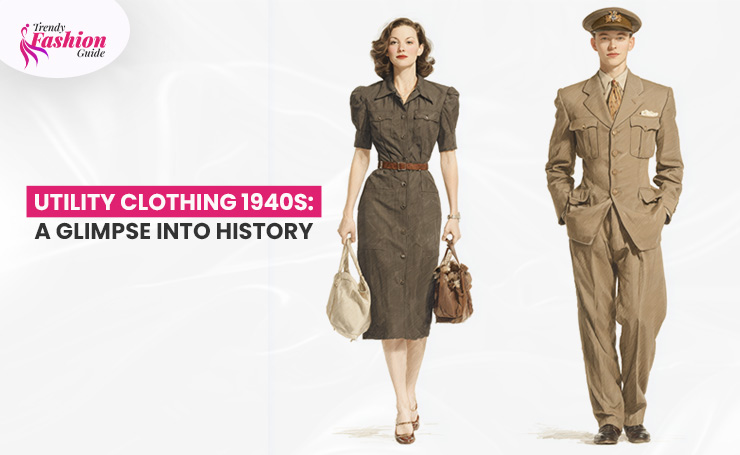
The most famous trend at the beginning of the 40s was utility clothing. Men and women who served in war wore uniforms. Other civilians had to dress up according to utility clothing. The government of Great Britain launched a scheme, CC41, and enlisted the top designers to create utility clothes.
Another campaign called “Make Do and Mend” by the British government encouraged people to reuse and repair clothing and household items to protect resources and support war efforts.
1940s Fashion Trends
The trends of the 1940s fashion focused on practicality while also having a sense of style. The utility clothing was not only restricted to a lack of frivolous details. It became a clothing category of its own.
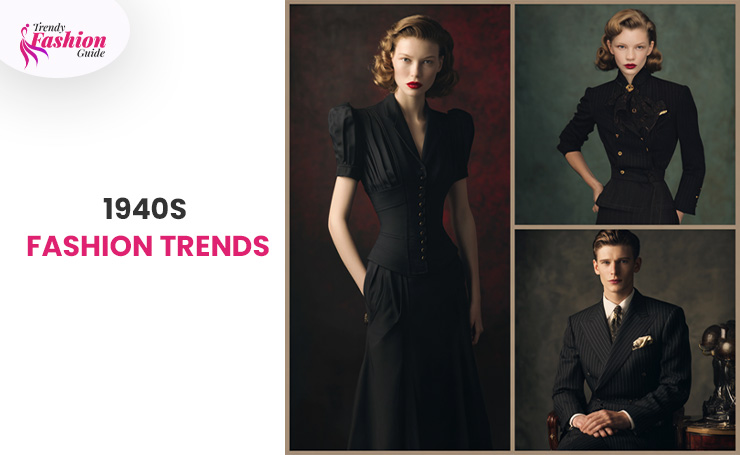
The famous 1940s fashion trends are:
- Shirtwaist dresses
- Wasp-waisted silhouettes
- Utility dresses
- Shoulder pads
- Pants
- Overalls
- Below-the-knee lengths
1940s Fashion Women
During the decade of the 40s, women’s fashion was divided into two phases: during the war and after the war. During the war, fashion was all about functionality. After that, the dresses were extravagant.
1940s Fashion Women Dresses
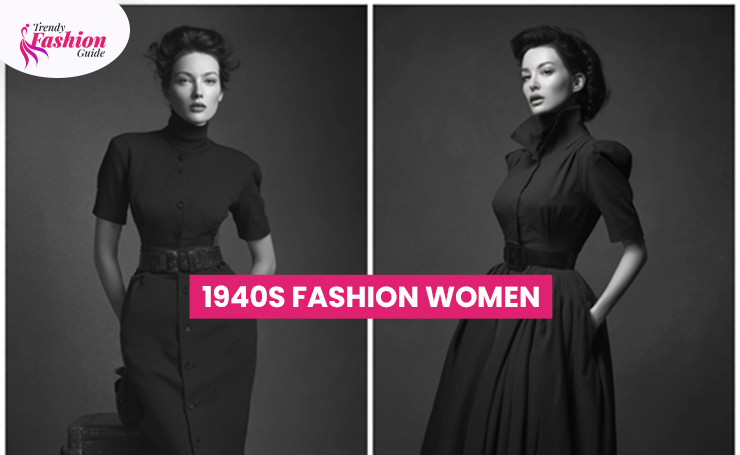
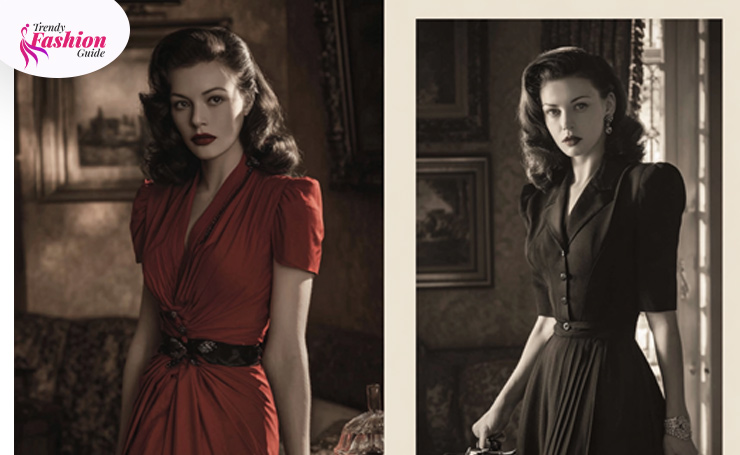
The silhouette of women’s dresses was like a uniform. It was simple and fitted and had boxy shoulders. The hemline fell below the knee, and the waist was accentuated using a slim belt.
The utility dresses were purchased using ration coupons. In winter, women used to wear long-sleeved suits of a similar shape.
Designer Claire McCardell introduced sporty and comfortable fits in women’s fashion in the 1940s in America. The dresses were made of denim, colorful seersucker, and jersey fabric.
In Germany, women were not allowed to look glamorous. The German government encouraged women to dress in traditional dirndl dresses.
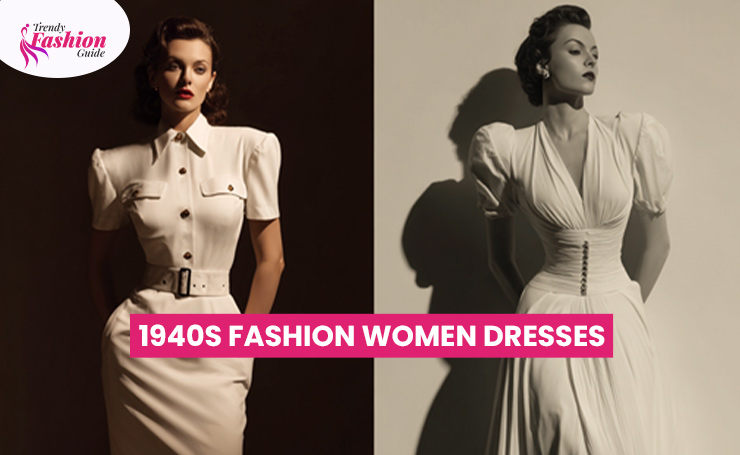
After the war ended, the famous French designer Christian Dior launched the “New Look.” The shoulders were rounded, the hemline dropped low, and the lower body was emphasized through a fuller pleated skirt.
The cinched waist silhouette of the New Look celebrated the end of rationing and the beginning of an era of exaggerated fashion.
Women’s Pants Style
At the start of the 1940s, women did not wear pants in public except as active wear. However, when they had to wear it out of necessity, they started to appreciate their comfort. The shortage of stockings also made women choose trousers.
The pants were wide-legged and high-waisted. Women used to style them with tucked-in blouses or as pantsuits with matching shirts.
After the war, the dresses became popular again, but pants had become a favorite of many women.
Peplum Fashion 1940s
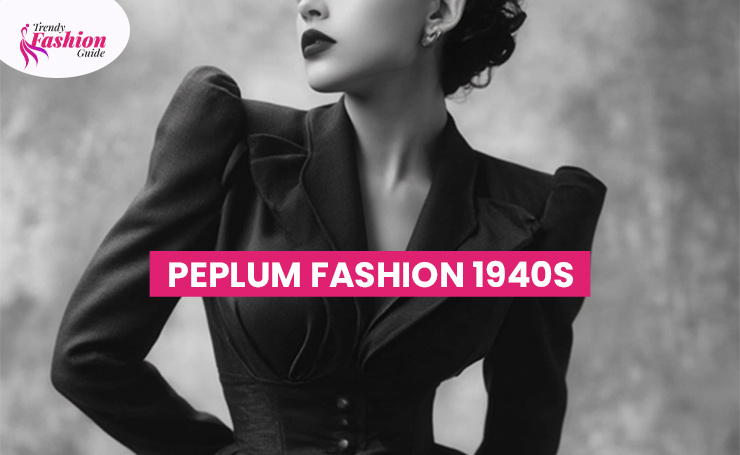
In the 1940s fashion, the peplum was a popular style. Basically, the peplum is a short piece of fabric attached to the waistline of a jacket, dress, shirt, or skirt.
This ruffle creates an hourglass silhouette. It makes the smallest part of the waist prominent and blooms at the hips. Many peplum dresses have structured and broad shoulders to further accentuate an hourglass body shape.
After the nineteenth century, peplums became popular again, post World War II. Many designers, particularly Dior’s New Look, featured peplum looks. It was quite famous as 1940s ready-to-wear fashion, in jackets and shirts.
1940s Fashion Hair and Accessories
Let’s see how women used to style their hair and the accessories they wore.
Hair
During the war, there was not enough stock of anything. However, women still tried to look their best. Hairstyling played an important role in that.
The length of the hair was either till the shoulders or a little longer. This length was favored more than the short hair of the 20s. Women would style their hair with waves and rolls to feel feminine.
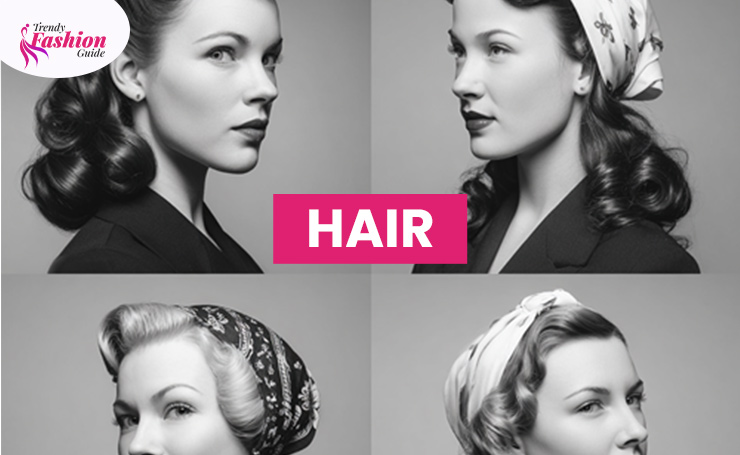
The glamorous style of Veronica, as well as peroxide-bleached hair, was popular.
Women also wore turbans and headscarves to stop their hair getting caught in the machinery. Some factories even opened hair salons to ensure women’s long-term attendance at work.
Accessories
Although accessories were scarce, the post-war era allowed women to accessorize their outfits.
Some common 1940s accessories are:
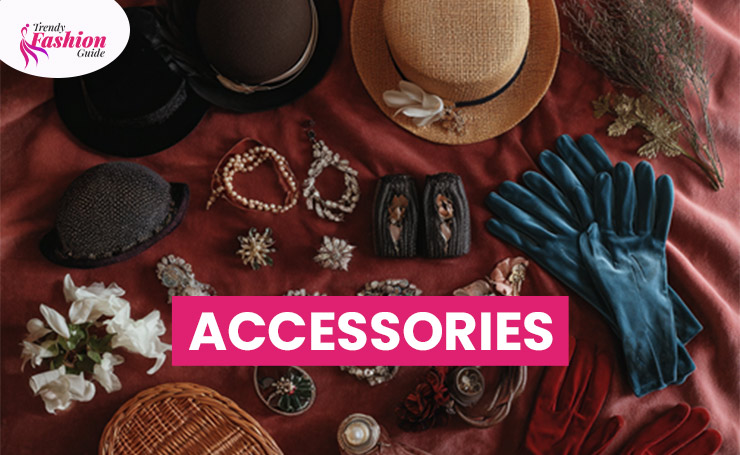
Hats: The women used to wear half hats, close-fitting caps, small brimless saucers, and fascinators.
Gloves: Women would wear longer gloves and match them with hats and purses.
Scarves: Hair scarves would protect hair as well as add a stylish touch.
Jewelry: Colorful and bold necklaces were popular. Women also used to wear chunky earrings and large brooches.
Handbags: Functional bags, such as frame bags and wicker baskets, were common.
Hair accessories: Different types of clips, flowers, and snoods were used to style hair.
1940s Fashion Men
Similar to women, the 1940s fashion for men saw two phases. The first phase of wartime demanded utility clothing. The second phase of the post-war period was all about extravagance.
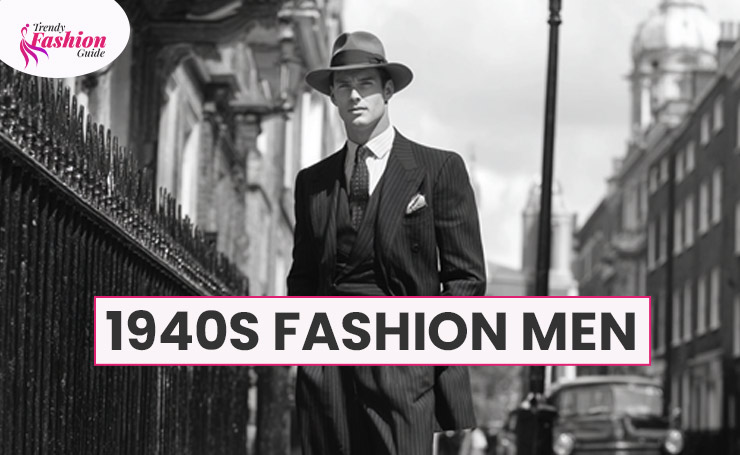
Style Essentials
Suits: The silhouette of the suits was structured with boxy shoulders and cinched waists. Prominent shoulder padding and fuller trousers were famous, which trickled into the 1950s as well.

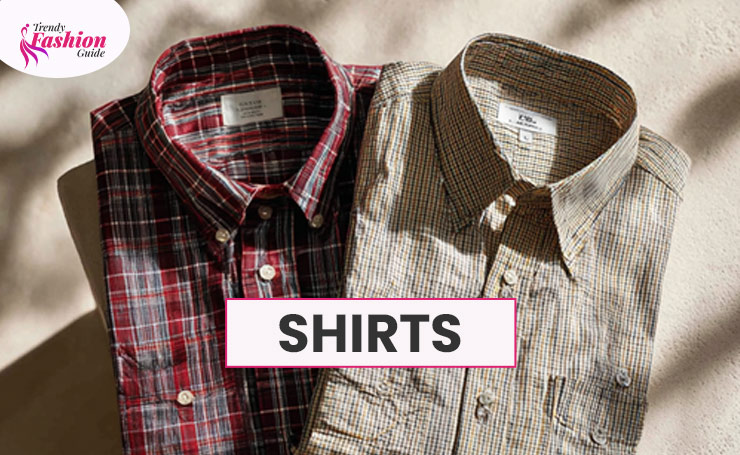
Shirts: The design of the shirts was simple. However, with fabric technology, micro patterns, plaid, and other designs became famous.
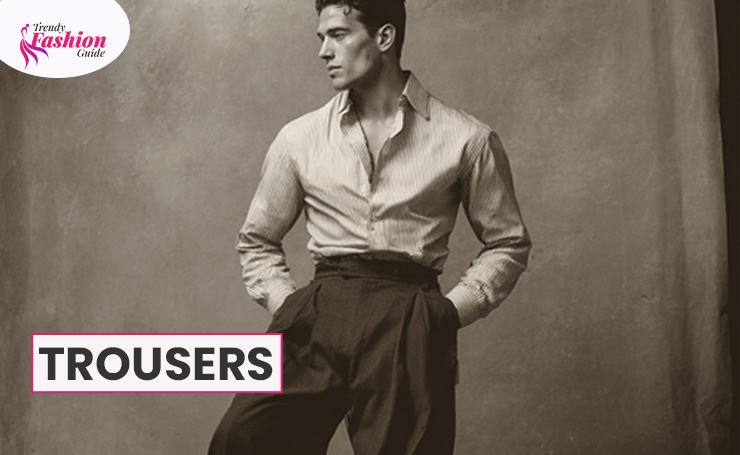
Trousers: The trousers were high-waisted, which emphasized the masculine silhouette of broad shoulders and a nipped waist.
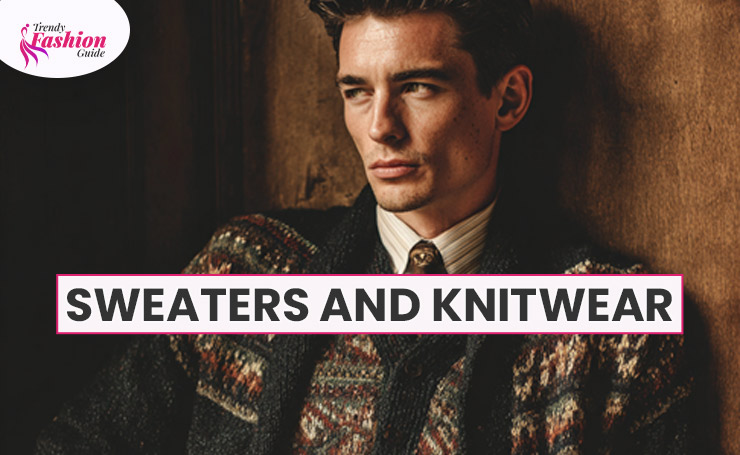
Sweaters and knitwear: V-neck sweaters, the Fair Isle sweater, and cardigans were the famous choices as they provided warmth, functionality, and style.
Outerwear: The outerwear was influenced by the war. Bomber jackets and trench coats were appreciated due to their style and practicality.
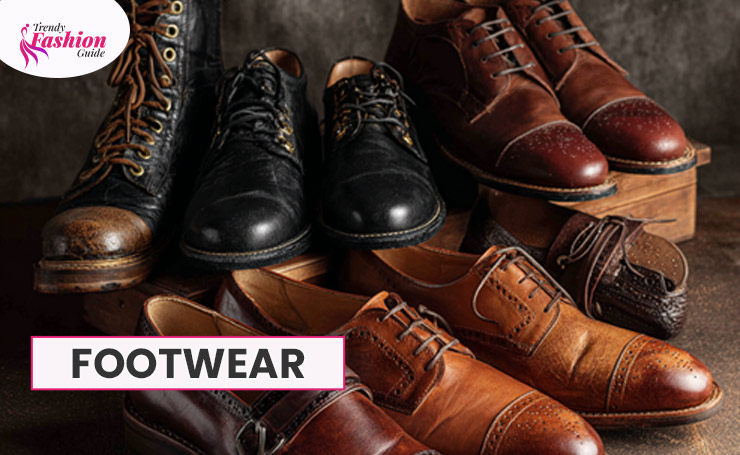
Footwear: Rugged military boots became popular amongst civilians. For formal events, men favored sleek Oxford shoes. After the war, loafers and saddle shoes became the first choice of men.
Men Styling
In the 40s, men who were not in uniform generally wore suits in public. Many recycled their suits from the 30s. Men stopped wearing vests as they considered them an excess of fabric.
In the United Kingdom, men started wearing single-breasted suits instead of double-breasted ones. The suits had fewer pockets.
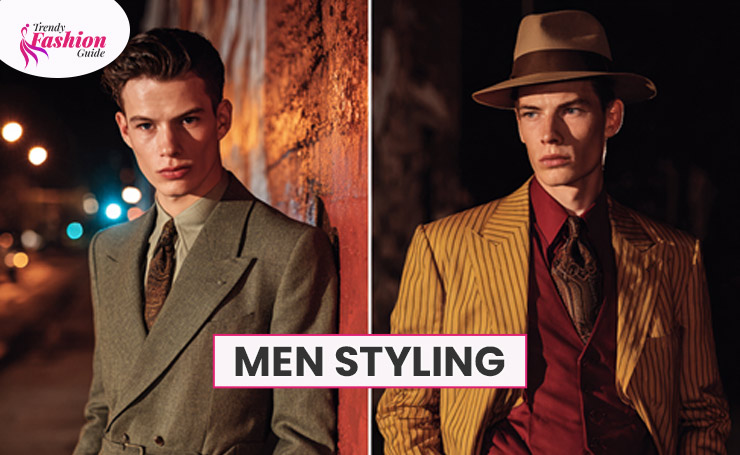
In the United States, the suits had a similar style; however, they were a little baggy. The colorful “zoot suits” from the 30s became popular again through Mexican and Italian immigrants. However, these suits were not considered patriotic.
Men’s post-war 1940s fashion was all about wearing double-breasted jackets with wider lapels again. In the U.S., men enjoyed wearing bolder colors and louder patterns.
Teen Fashion 1940s
The term “teenager” was introduced in 1941. The teen fashion of this decade showed a carefree outlook on life.
1940s Teen Girl Fashion
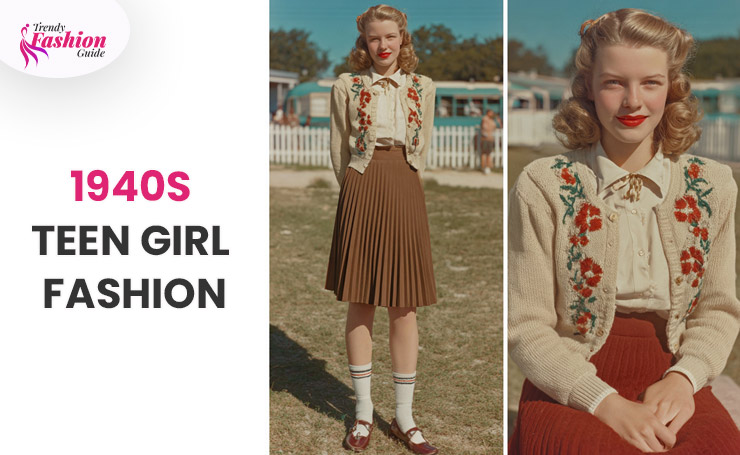
The uniform of teen girls was a pleated skirt with a sweater over a blouse. The white bobby socks were paired with saddle shoes or loafers.
Sweaters with a little fuzz on them were all the rage. Embroidery and different motifs of flowers, insects, and animals were particularly famous.
The teen girl’s suits had a tailored jacket with a matching skirt. However, these suits were worn for school and church only, as girls thought they were too stiff and matronly.
1940s Teen Boy Fashion
The 1940s fashion for boys was all about adopting men’s suits but with a casual and relaxed spin on them. The formal attire was single or double-breasted suits, just like their father.
The trousers were high-waisted and pleated. The colorful ties were in fashion.
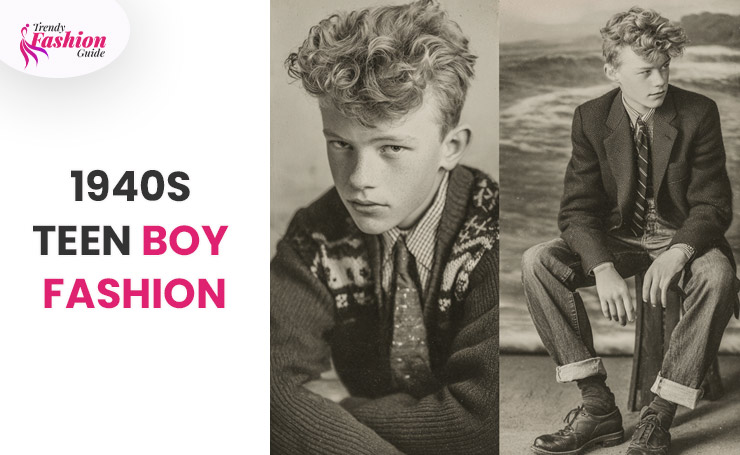
The casual look had a “lived-in” vibe. The rolled-cuff jeans, worn-in shirts, and saddle shoes were the go-to look. Moreover, patterned sweaters with playful motifs and vibrant colors were the favorite of teen boys.
Katharine Hepburn 1940s style
Katharine Hepburn is an old Hollywood silver screen actor. She was a private person and avoided press and public events. Her aversion to glamor made her even more famous.
She was one of the women who were considered the adopters of trousers. Her trousers were roomy and wide-legged. To sum up her style, it was sporty and casual.
She would wear menswear-inspired outfits, such as collared shirts and blazers. Now, she is considered the pioneer of sportswear aesthetic in America.
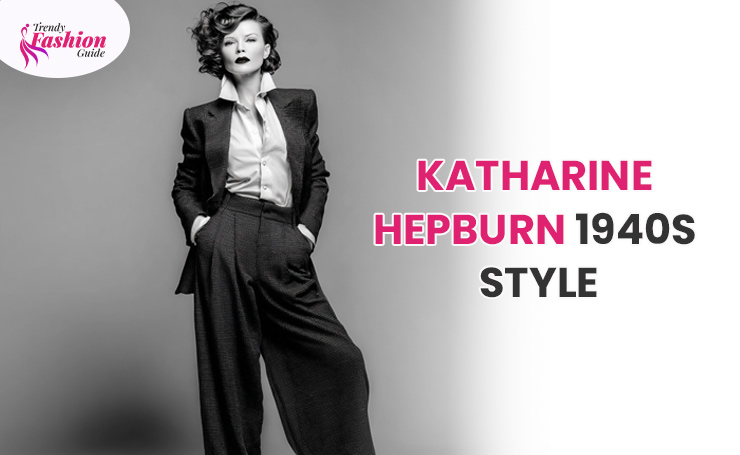
She also wore dresses (when she had to). She had rocked old Hollywood glamor evening gowns and basic vintage dresses with an emphasized waist.
Her red lipstick and sculpted pin curls added glamor to her suits and dresses.
Wrapping It Up
The impact of the Second World War was seen in the 1940s fashion as well. In the first half of the decade, every man and woman went for utility clothing to preserve resources and materials.
The post-war era (also, the second half of the decade) brought the glamor back slowly yet steadily. The most famous “New Look” by Dior celebrated the end of the war and the beginning of a time when fashion would be extravagant.
Take inspiration from this guide for the fashion of the 40s and rock the vintage beauty. For more fashion updates, explore the Trendy Fashion Guide.
FAQs
What are the main characteristics of 1940s Fashion?
The 1940s fashion is divided into two phases: during the war and after the war. In the first phase, utility clothing was encouraged. After the war, fashion made a steady and gradual recovery toward glamor again.
What was the Utility Clothing in the 1940s?
Utility clothing was regulated by the government to conserve fabric and resources during World War II. The suits were simple with limited trims and durable material.
How did fashion change in the post-war period?
The fashion of women became feminine, with fuller skirts and romantic prints. Men started wearing double-breasted suits and wide lapels.
What was 1940s ready-to-wear fashion?
The ready-to-wear fashion was factory-made clothes. They were affordable and accessible and did not need custom tailoring.
Why did Women wear Headscarves during the 1940s?
Headscarves were both functional and stylish. They provided protection from hair getting caught in the machinery. Women used to tie these scarves in the “Rosie the Riveter” style, which became a symbol of female empowerment.