
Having a skincare routine is important for both men and women. However, you need to make sure that this routine is suitable for your skin type to see good results.
If you are new to this but want to learn how to take care of your skin, we are here to help you. In this guide, we explain daily skincare, how to curate a morning and nighttime skincare routine, seasonal adjustments, and simple tips recommended by dermatologists.
30-Second Summary
- A skincare routine works best when it matches your skin type and lifestyle.
- Consistency matters more than using multiple skincare products.
- Keep adjusting your skincare routine based on seasonal and environmental changes.
- Simple routines with cleanser, moisturizer, and sunscreen can deliver excellent results if you stick with them consistently.
What is a Skincare Routine?
Before we guide you through the steps, let’s first understand what a skincare routine is. It is a structured approach to caring for your skin using the right products in the correct order. The goal of this routine is to nourish and promote healthy skin and mitigate concerns such as acne and aging.

Consistency matters a lot in this routine, even more than the number of products you use. When you stay consistent, you see good results even with a three-step skincare routine.
Daily Skincare Products You Need
Take a look at all the products you need in your skincare routine.
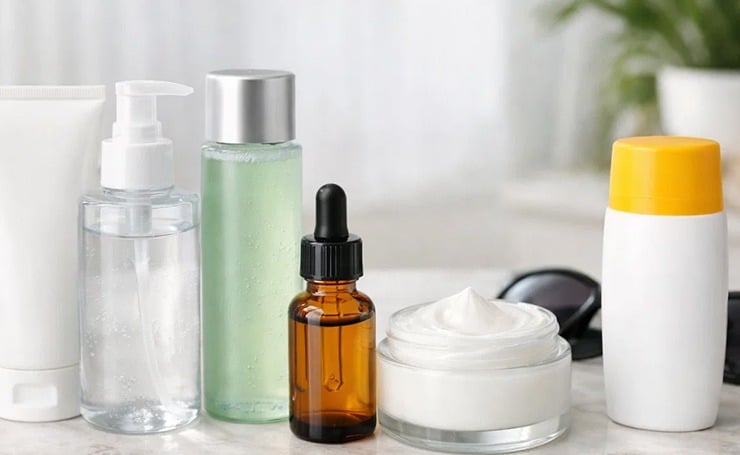
- Cleanser: It is important to remove dirt, oil, and impurities.
- Toner (optional): It helps prep the skin and balance hydration.
- Serum: It is usually used to treat specific skin concerns.
- Moisturizer: It locks in hydration.
- Sunscreen: Use it in the morning only (both outdoors and indoors) to protect yourself from harmful UV rays.
Morning vs Nighttime Skincare Routine
Your skin has different needs throughout the day, which is why routines differ slightly.
Morning Skincare Routine
A morning skincare routine focuses on protection and hydration. Therefore, use lightweight products and never skip sunscreen.

Step 1 Cleanser: A gentle cleanser removes debris from the face and clears pores, allowing products like serums and moisturizers to absorb. Use the cleanser that leaves your face clean without a dry, tight feeling.
Step 2 Serum: Next, use a serum (always a dermatologist-recommended) formulated to target your skin concerns. Serums improve your skin texture and tone while also fighting environmental stressors.
Step 3: Moisturizer: This step is important for locking in the serum you applied and hydrating your skin. Use a moisturizer containing ceramides, hyaluronic acid, and glycerin.
Step 4 Sunscreen: No morning routine is complete without sunscreen. Use the one with an SPF 30 or higher for broad-spectrum UV protection.
Nighttime Skincare Routine
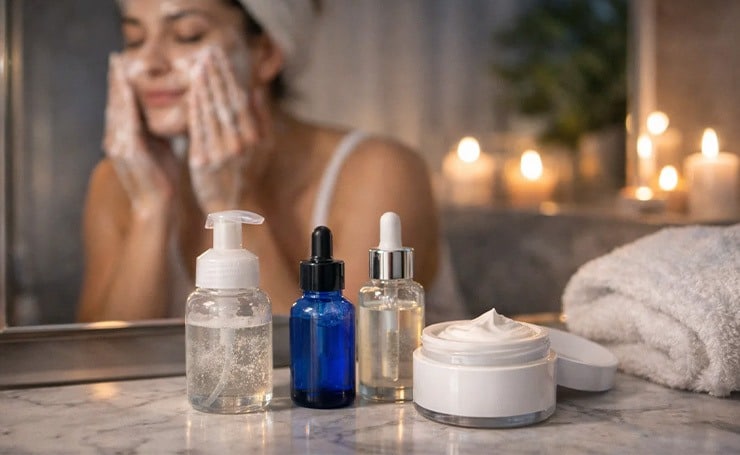
Step 1 Cleanser: Cleansing is important for both morning and night, because nobody would like to go to bed with dirt, makeup, and face sebum.
Step 2 Serum: Many serums can be used twice daily; however, switching between products with different ingredients can target different issues. At night, use a hydrating serum, retinol-infused product, or an acne-fighting product.
Step 3 Moisturizer: Complete your nighttime routine with a night cream that is rich in antioxidants.
While daily routines form the foundation of skincare, your skin type plays a major role in choosing the right products.
Skincare Routine by Skin Type
Every skin type is different, and so is the routine to manage them. There are 5 common skin types: oily, dry, combination, sensitive, and normal.

- Oily skin feels greasy and is more prone to breakouts and blackheads.
- Dry skin feels rough and tight and needs more hydration.
- Combination skin has a greasy T-zone (forehead, nose, and chin) and dry cheeks.
- Sensitive skin is reactive to environmental stressors as well as some skincare products.
- Normal skin type looks healthy and hydrated and does not have any concerns.
Skincare Routine for Oily Skin
If you have oily skin, use a gentle foaming cleaner, a lightweight, oil-free moisturizer, and a non-comedogenic sunscreen.
Skincare Routine for Dry Skin
Dry skin needs much more hydration than other skin types. Use a cream or hydrating cleanser, a rich,oil-based moisturizer, and hydrating serums.
Skincare Routine for Combination Skin
Combination skin type needs a balanced cleanser, targeted treatment for oily and dry areas, and a lightweight moisturizer.
Skincare Routine for Sensitive Skin
For sensitive skin, use fragrance-free products and products with clean and minimal ingredients. To avoid redness and rashes, do not exfoliate a lot.
Seasonal Skincare Routine (Summer vs Winter)
Your skin’s needs change with the weather. Heat, humidity, cold air, and indoor heating all affect your skin’s oil production, hydration, and barrier function. Therefore, it is important to change your routine seasonally to avoid breakouts, dryness, and irritation.
Summer Skincare Routine
During summer, increased heat and humidity can lead to excess oil, sweat, and clogged pores. The goal is to keep your skin clean, hydrated, and protected without feeling heavy.

- Gel-based moisturizer: Lightweight moisturizers, which are water-based or have a gel-like consistency, are perfect for summer, as they do not clog pores or increase greasiness.
- Increased sun protection: Sunscreen is essential in both summer and winter, but more so in summer.
- Oil-control products: Use gentle foaming cleansers, mattifying toners, or niacinamide-based serums to manage excess oil while keeping the skin balanced.
Avoid heavy creams and overly rich products in summer, as they can cause breakouts.
Winter Skincare Routine
Cold weather means dry air and indoor heating, which can remove moisture from your skin and cause dryness, flaking, and sensitivity. A winter skincare routine should focus more on hydration and barrier repair.
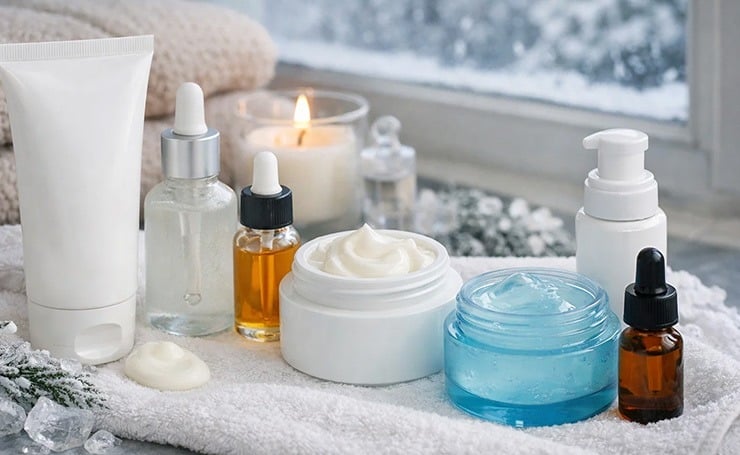
- Cream-based cleansers: Use non-foaming or cream cleansers to keep skin clean without removing its natural oils.
- Heavier moisturizers: This is especially important if you have dry skin. Rich creams help lock in moisture and prevent water loss throughout the day and night.
- Barrier-repair ingredients: Use products with ingredients like ceramides, glycerin, and hyaluronic acid to strengthen your skin barrier and reduce irritation.
To keep your skin healthy in winter, reduce exfoliation and focus on layering hydrating products.
Skincare Routine for Men
Men’s skincare follows the same basic steps (cleanser, serum, moisturizer, and sunscreen in AM), but it also focuses on shaving care.
For some men, multi-blade razors can work too well. However, if you experience razor bumps, burns, or ingrown hair, start using a single or double-blade razor. Also, do not stretch your skin taut while shaving. Always use a moisturizing shaving cream, and do not forget to use a hydrating moisturizer after shaving.
Men should also focus on identifying their skin type and using products with ideal ingredients for the best results.
Anti-Aging Skin Care Routine Tips
An effective anti-aging routine focuses on the prevention of wrinkles, dark spots, and hyperpigmentation, and the repair of the skin barrier.

- Daily sunscreen
- Hydration and antioxidants
- Gentle exfoliation
Aging is a beautiful thing, but it doesn’t mean not taking care of yourself. These tips will help you maintain your skin’s elasticity and reduce early signs of aging.
Travel Skincare Routine Essentials
You do not need to do a 10-step travel skincare routine like you see influencers do online. Keep your routine simple to maintain the balance of your skin despite climate changes.
For a minimal skincare routine while traveling, use
- Cleanser and moisturizer
- Sunscreen
- Hydrating mist or serum
Dermatologist-Recommended Skincare Tips
Here are some dermatologist-recommended skincare tips you should follow.
- Stick with a consistent, non-complicated routine. A consistent daily routine of cleansing, moisturizing, and SPF is more effective than a cabinet full of products.
- Do not skip sunscreen, even on cloudy days or indoors. Using SPF daily also slows the signs of aging.
- Keep yourself hydrated inside and out. Drink a lot of water, use moisturizer, add a humidifier to your house, and avoid extremely hot and drying showers.
- Always patch-test before using a new product to avoid rashes or other severe reactions.
- Schedule annual skin exams to prevent diseases, even if they are not visible to you.
Final Thoughts
Your skincare routine does not have to be complicated with multiple products and 10 steps. Just use products that suit your skin type, adjust according to seasons, and always stay consistent. Build a routine that fits your needs, not trends.
Learn more about skincare, beauty, and makeup on Trendy Fashion Guide.
FAQs
How long does it take to see Results from a Skincare Routine?
Most people start noticing visible improvements within 4 to 6 weeks. However, concerns like acne, pigmentation, or anti-aging results can take longer depending on consistency and product ingredients.
Is a 3-step Skincare Routine Effective?
Yes, a basic routine with a cleanser, moisturizer, and sunscreen can be really effective, particularly for beginners or people with sensitive skin. You can add more products as needed.
Should I Change My Skincare Routine with Age?
Yes, as skin matures, its collagen and hydration levels decrease. Many people introduce anti-aging ingredients like peptides, retinol, and antioxidants over time.
Can I Skip Moisturizer if I have Oily Skin?
No, oily skin still needs hydration. When you skip moisturizer, your skin starts producing more oil to compensate for dryness.
How can I know if my Skincare Routine is damaging my Skin Barrier?
The common signs include redness, burning, excessive dryness, sudden breakouts, or irritation. If this happens, reduce active ingredients and focus on gentle and hydrating products.
How often should I update my Skincare Routine?
You should adjust your skincare routine whenever you notice changes in your skin, climate, or lifestyle habits.