Aging is a natural and beautiful process, but it doesn’t mean you shouldn’t try to maintain youthful skin. With the right combination of products, active ingredients, and lifestyle habits, you can reduce the visible signs of aging, reduce fine lines, and keep your skin glowing.
In this guide, we’ll cover everything from the best anti-aging skincare ingredients to routines and treatments that actually make a difference.
30-Second Summary
- Anti-aging skincare works best only when you combine a consistent routine with healthy lifestyle habits.
- Ingredients like retinol, peptides, antioxidants, and hyaluronic acid are important for youthful skin.
- Sunscreen (SPF 30 or higher) is non-negotiable for protecting your skin from premature aging.
- To see long-term results, stay patient, consistent, and keep realistic expectations.
Understanding the Aging Skin Process
Before jumping into anti-aging skincare, let’s understand the science behind skin aging. As we grow older, many factors contribute to the development of wrinkles, fine lines around the eyes, and other signs of aging. These include
Intrinsic Aging
Intrinsic aging occurs naturally with age and is impacted by our genetics. As we age, our skin produces less collagen each year (a 1% annual decline after we turn 25), which can lead to reduced firmness and elasticity.
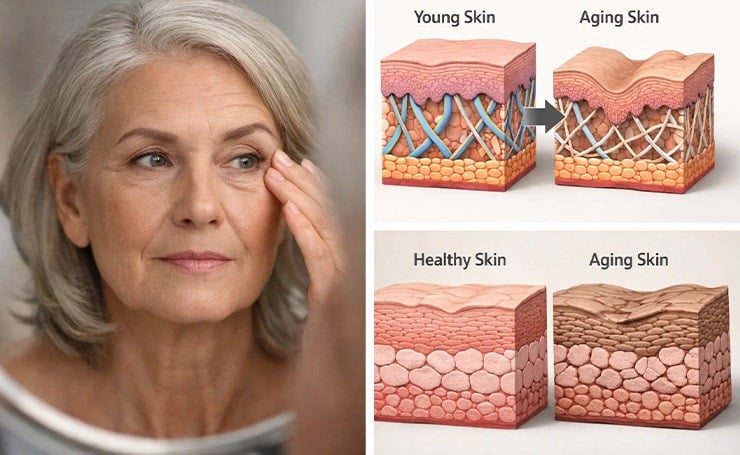
Additionally, cell turnover slows down with age, which leads to a dull complexion and uneven texture.
Extrinsic Aging
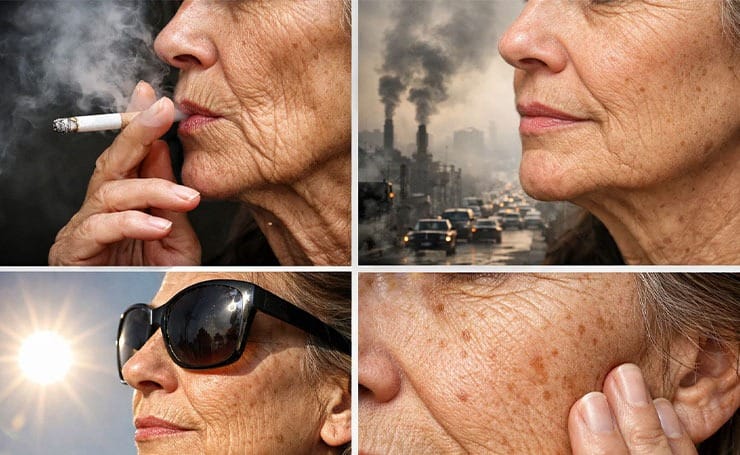
Extrinsic aging occurs due to external influences such as smoking, pollution, sun exposure, and poor skincare habits. These factors speed up the aging process and result in wrinkles, age spots, and uneven skin tone.
Essential Ingredients for Anti-Aging Skincare
Seeing multiple skincare products with scientific-sounding names can be overwhelming. So, we compiled a list of active ingredients that deliver great results for specific concerns, from fine lines to uneven tone.
Retinoids
Retinoid, a Vitamin A derivative, increases skin cell turnover, reducing wrinkles and even acne. You can start with over-the-counter retinol; however, you may notice some dryness or irritation after using it initially.
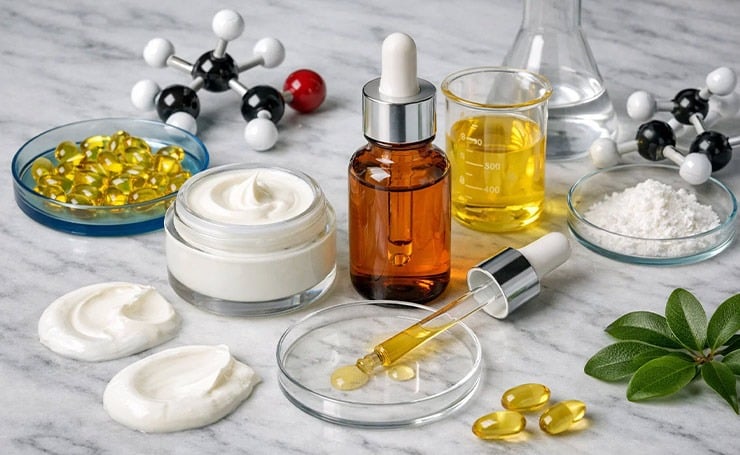
To reduce this irritation, you can do the “sandwich technique.” Apply moisturizer before and after applying retinoid for hydration and less dryness.
Hyaluronic Acid
Aging skin can look dry and dull. For that, hyaluronic acid is the best. It is a moisture-retaining molecule found in our skin, but it decreases with time. HA draws water into the skin and holds it for a plump, hydrated and dewy look.
This ingredient is extremely gentle and suitable for all skin types. You can use it in the form of serums, moisturizers, and even cleansers.
Peptides
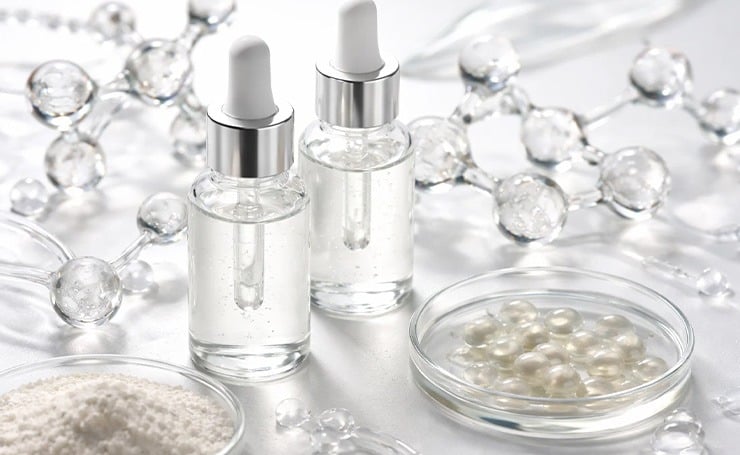
Peptides are short chains of amino acids. They are essential because they are the building blocks of collagen and elastin, which keep our skin firm. Adding peptides to your skincare routine helps maintain that firmness and restores elasticity and bounce.
Antioxidants
Antioxidants protect you from environmental stressors, like pollution and UV rays. These stressors basically create unstable molecules in your skin that cause premature aging. To prevent it, you can use Vitamin C, niacinamide, Vitamin E, or resveratrol.
Use any of these antioxidants every morning to have a youthful, healthy complexion for a very long time.
Vitamin C
It is a highly effective antioxidant that brightens and evens out your skin complexion and reduces dark spots. It also helps your skin produce collagen, resulting in a supple, firm look.
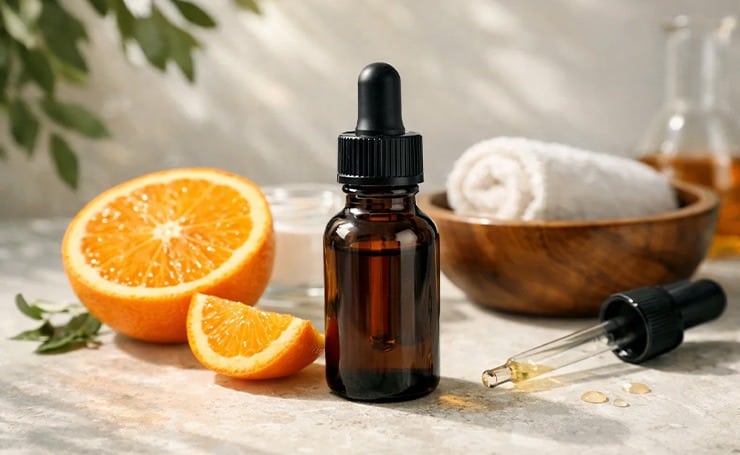
Always store Vitamin C serum in a dark, opaque bottle away from sunlight, as it starts to break down if exposed to air and light.
Building the Best Anti-Aging Skincare Routine
The following routine is a blueprint that you can use to customize your own skincare routine.
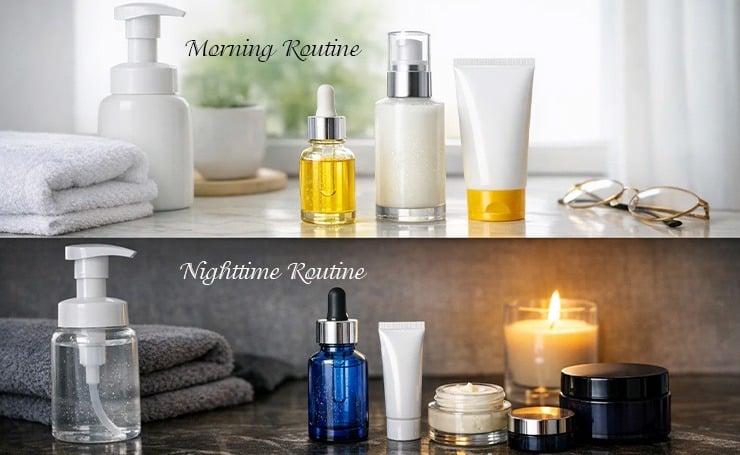
Morning Routine
- Start with a gentle cleanser that does not give a tight, dry feeling.
- Use antioxidant serums, like Vitamin C, to boost glow and protection from environmental stressors.
- Use a lightweight moisturizer to lock everything in.
- Finish with a sunscreen to prevent premature aging.
Nighttime Routine
- Use a cleanser first to get rid of dirt and impurities.
- Use a hydrating peptide serum to create a gentle buffer.
- Apply a retinoid to promote skin cell turnover and reduce wrinkles.
- Use an eye cream for fine lines.
- To lock everything in, apply a night cream or moisturizer.
Advanced Anti-Aging Treatments
Apart from a comprehensive skincare routine, many advanced treatments for youthful skin are being introduced. They help rejuvenate skin and treat significant skin concerns.
Botox and Dysport
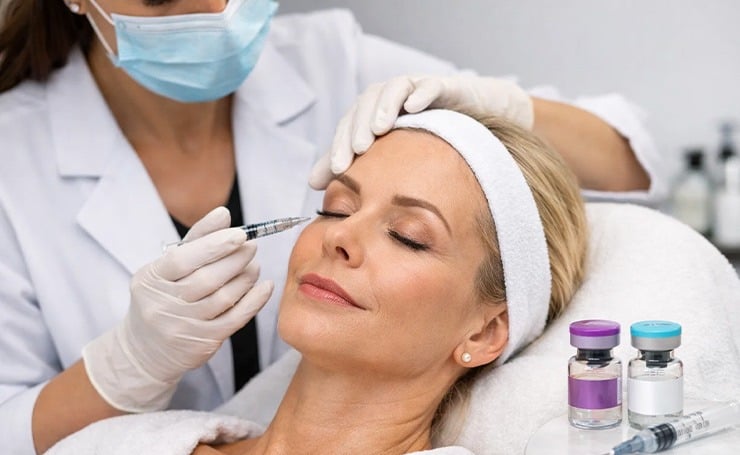
Botox and Dysport are neuromodulators that are injected into your skin to relax facial muscles. These treatments temporarily smooth wrinkles and fine lines.
Dermal Fillers
These fillers are made from HA (hyaluronic acid) or collagen that restore volume of facial areas that are affected by aging, like cheeks, lips, and nasolabial folds. Fillers also reduce lines, wrinkles, and even enhance facial contours.
Microneedling
Microneedling is used to produce collagen. This treatment involves micro-injuries to the skin that improve texture, tone, and elasticity. It is effective to reduce wrinkles, acne scars, and enlarged pores.
Photofacial (IPL)
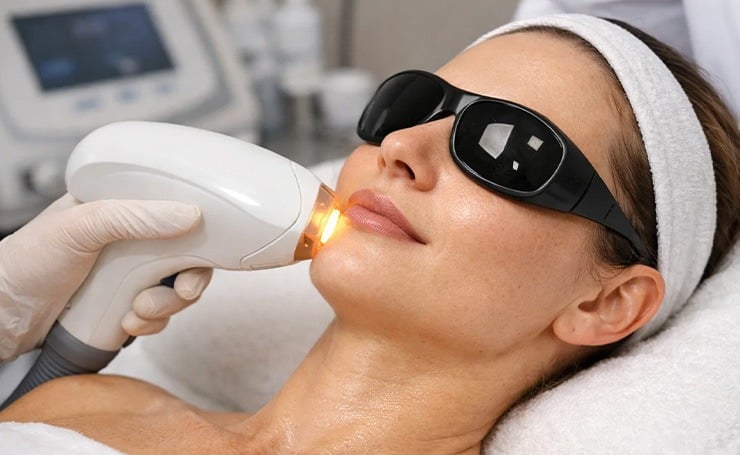
IPL therapy uses high-intensity pulses of light. It makes skin smoother, youthful, and clear, as it targets pigmentation, redness, and sun damage. This procedure is non-invasive and needs minimal downtime, so even if you are busy, you can refresh your complexion quickly.
Expert Tips to Maintain Youthful Skin
Achieving youthful skin is not just about using anti-aging skincare products or procedures. You need consistent habits and smart lifestyle choices to support skin health from within. The following tips will help you maximize the results of your anti-aging routine.
Follow a Consistent Anti-Aging Skincare Routine
Consistency is perhaps the most important factor when it comes to maintaining healthy skin. Using anti-aging products, like creams, serums, and moisturizers, only works when you use them as prescribed by your dermatologist. Even the best anti-aging routine cannot deliver results if you do not stick to it properly.
Always Wear Sunscreen
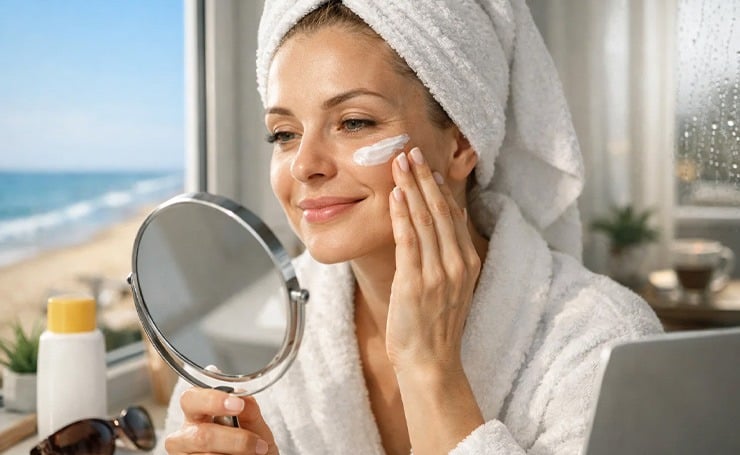
Daily sun protection is the most powerful way to slow down aging. UV rays are the real culprit behind premature aging, wrinkles, fine lines, pigmentation, and reduced elasticity. Use sunscreen every morning, regardless of the weather or whether you are staying indoors.
Focus on Hydration
Hydrate yourself from the inside out. Use moisturizers to keep your skin smooth. Apart from using hyaluronic acid and ceramides, drink plenty of water as well.
Choose Collagen-Boosting Ingredients
Collagen is essential for firm and healthy-looking skin. Use collagen-boosting products. Additionally, incorporate foods into your diet that support collagen production, such as fish, chicken broth, and citrus fruits.
Prioritize Sleep and Stress Management

Getting quality sleep is the best way to repair and regenerate. Stress, on the other hand, increases cortisol, which causes inflammation and speeds up aging. Therefore, maintain a regular sleep schedule and practice stress-reducing activities like yoga and meditation.
Use Targeted Treatments for Specific Concerns
Different areas of the face require specialized care. For instance, use eye cream for fine lines around the delicate eye area and apply anti-aging night cream to support skin repair.
Maintain a Skin-Friendly Diet
Have a diet that is rich in antioxidants, vitamins, and healthy fats to support age-defying skincare from the inside. Foods like berries, leafy greens, nuts, and fish safeguard your skin from environmental damage from within and improve overall skin health.
Common Anti-Aging Skincare Mistakes to Avoid
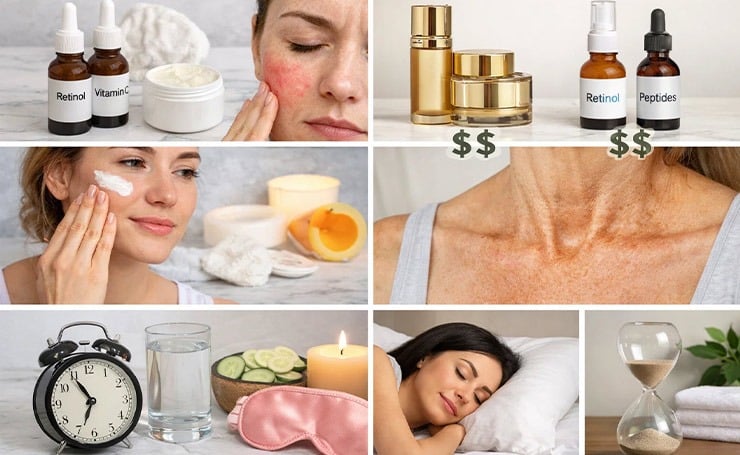
- Do not layer different active ingredients together. It can cause irritation, redness, and damage to your skin barrier.
- Do not believe expensive products are better. Affordable products with proven ingredients like retinol and peptides can deliver excellent results.
- Do not ignore sunscreen, as it contributes to wrinkles, dark spots, and skin sagging.
- Do not neglect the neck and chest, as they show signs of aging just as quickly as the face.
- Do not rely only on skincare products while neglecting lifestyle factors like sleep, hydration, and stress management.
- Do not expect immediate results because skincare products take some time to show visible improvement.
The Bottom Line
You need to remain consistent and use the right combination of anti-aging creams, serums, face masks and healthy lifestyle choices. Consult with your dermatologist, build an effective anti-aging skincare routine, and feel the confidence that comes with healthy, glowing skin.
Want to learn more about skincare? Visit Trendy Fashion Guide for more in-depth blogs.
FAQs
At what Age should I Start Anti-aging Skincare?
You can start anti-aging skincare in your mid-20s. This is the time when collagen production begins to slow down naturally. At this stage, start using sunscreen, antioxidants, retinol, peptides, and a hydrating moisturizer.
Is Professional Treatment Better than At-home Anti-aging Skincare?
Professional treatments and at-home skincare serve different purposes. Daily use of anti-aging creams and serums maintains skin health. Whereas professional procedures like microneedling or IPL are used for deeper concerns like deep wrinkles, pigmentation, and volume loss.
Should Anti-aging Skincare Change with Seasons?
Yes, your anti-aging should change according to the seasons. In winter, use richer moisturizers and more hydration. In warmer months, use lightweight serums and high SPF.
Are Natural Anti-aging Remedies Enough to Prevent Wrinkles?
Natural anti-aging remedies like hydration, a healthy diet, and sleep support skin health, but cannot replace evidence-based skincare ingredients. These clinically proven ingredients, such as retinol, peptides, and antioxidants, are important for visibly reducing wrinkles and age spots.